

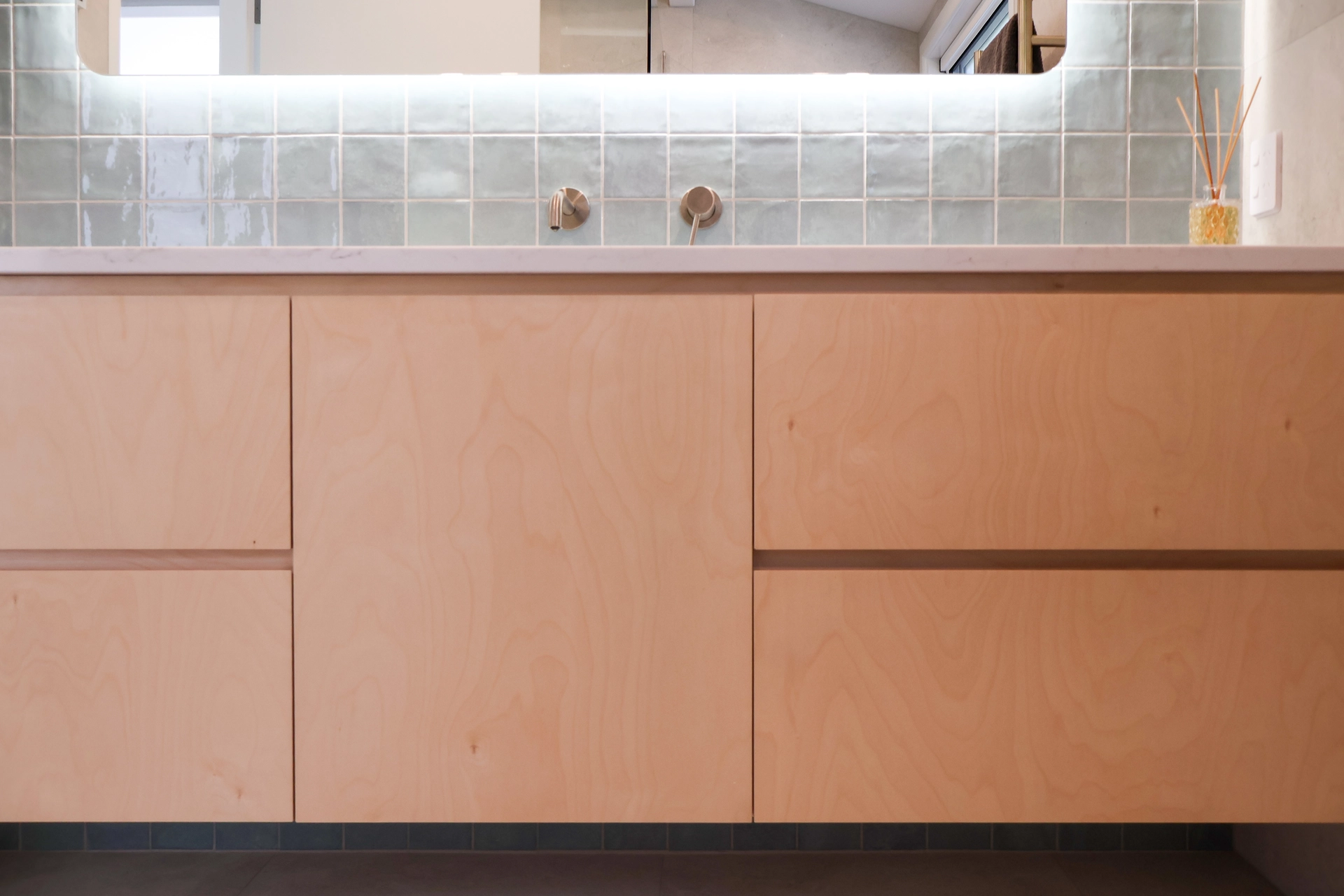
Kitchen trends come and go with predictable regularity, but 2026 brings a genuinely interesting shift for New Zealand homeowners. After years of stark white, ultra-minimal kitchens dominating design conversations, Kiwi homes are embracing warmth, texture, and personality instead. According to the National Kitchen & Bathroom Association’s 2026 New Zealand survey, designers across the country report a decisive move towards earthy tones, natural timber, and materials that feel genuinely liveable rather than showroom-perfect.
At Chatswood Kitchens, we track these shifts closely because trends only matter when they translate into kitchens that work beautifully for real Kapiti Coast families for years to come. Some 2026 trends genuinely deserve their popularity, offering lasting style alongside practical benefits. Others feel more like passing fashion, unlikely to age gracefully once the initial appeal fades.
This guide separates what’s genuinely working in New Zealand kitchens this year from what’s simply trending online. Whether you’re planning a complete renovation or considering targeted updates, understanding which 2026 trends suit long-term living helps you invest wisely in your kitchen’s future.
Key Takeaways
- Warm, earthy neutrals are replacing stark whites, with sage greens, biscuit tones, and soft creams now leading New Zealand’s most popular kitchen colour choices
- Walnut and timber cabinetry are making a genuine comeback, with over half of NZ designers predicting walnut will dominate fashionable kitchen finishes in 2026
- Porcelain benchtops are overtaking engineered stone as the preferred material, now chosen by the vast majority of New Zealand kitchen designers
- Matching benchtop-to-splashback design continues strongly, extending benchtop material up the wall for a seamless, cohesive look
- Curved islands and softer forms are replacing sharp, angular edges, creating warmer, more welcoming focal points for family living
- Integrated storage and scullery-style hidden zones keep surfaces clear whilst maintaining full functionality behind sleek, closed fronts
- Ultra-minimal, handleless anonymity is losing appeal, with homeowners now wanting kitchens that feel personal rather than clinical
- Textured, tactile surfaces add depth, though some heavily fluted finishes already feel less timeless than more classic textural details
The Big Shift: From Sterile to Soulful
Understanding 2026’s direction requires recognising what came before. The past several years saw kitchens trending towards increasingly anonymous designs—handleless cabinetry, vast monochrome islands, and clinical white surfaces that could belong to any home, anywhere.
This ultra-minimal aesthetic, whilst undeniably sleek, created kitchens feeling disconnected from how people actually live. Rows of identical white cabinetry with nothing distinguishing one kitchen from the next started feeling less like personal spaces and more like display models.
2026 marks a genuine turning point. New Zealand homeowners increasingly want kitchens reflecting personality and warmth rather than pursuing perfect, anonymous minimalism. This shift shows up consistently across colour choices, material selections, and design details throughout this year’s most successful kitchen renovations.
For Kapiti Coast homeowners, this trend towards warmth and character aligns beautifully with the region’s abundance of characterful villas and coastal cottages. Rather than fighting against heritage features with stark contemporary minimalism, 2026’s design direction embraces character-appropriate warmth that suits our local property types particularly well.
Trend 1: Warm, Earthy Colour Palettes
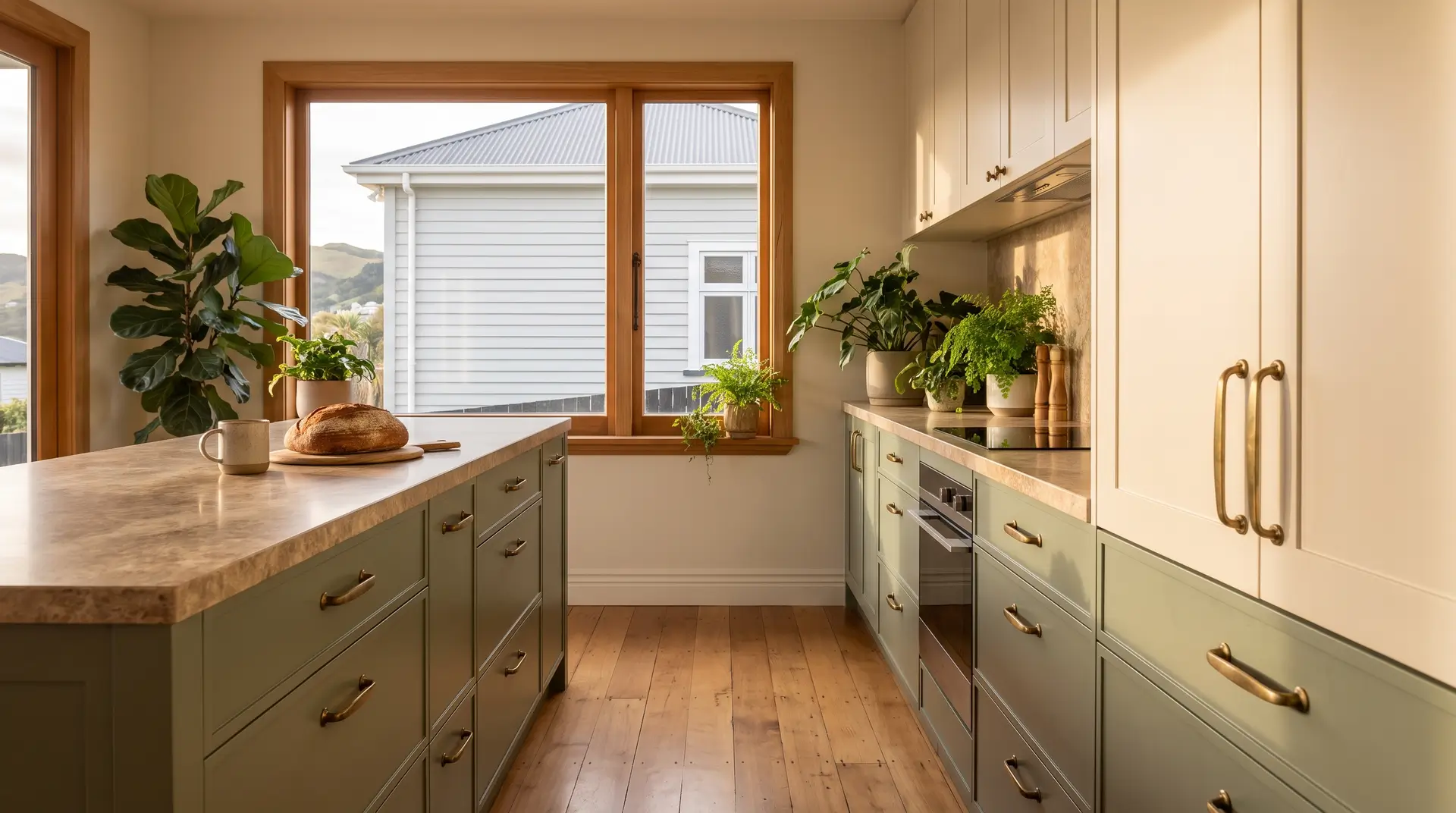
Colour represents 2026’s most significant kitchen shift. New Zealand designers report a decisive move away from the stark whites and cool greys that dominated recent years, replaced by warmer, more natural tones throughout.
What’s Actually Trending
Soft sage greens, warm creams, and biscuit tones now lead New Zealand’s colour preferences. These earthy shades create calm, welcoming atmospheres whilst avoiding the clinical feeling that pure white sometimes creates. Deeper, richer options including olive, moss, and warm taupe suit homeowners wanting more dramatic statements without sacrificing warmth.
This “earthy” direction extends beyond wall colours into cabinetry itself. Rather than choosing colours purely for visual impact, New Zealand designers increasingly select tones that feel connected to natural materials and organic surroundings—particularly relevant for Kapiti Coast properties surrounded by coastal landscapes and native bush.
Why This Works Long-Term
Warm neutrals age considerably better than stark whites or dramatic dark tones. Whilst pure white kitchens photograph beautifully for social media, they show wear, staining, and dust more readily than warmer alternatives. Sage greens and biscuit tones hide minor marks more forgivingly whilst maintaining sophisticated, contemporary appeal.
These warmer palettes also complement timber elements beautifully—a significant advantage given timber’s simultaneous resurgence. Cool white and grey schemes often clash with natural wood tones, whilst warm neutrals create cohesive, harmonious combinations.
Implementation for Kapiti Coast Homes
For character villa renovations, warm neutral palettes complement original architectural details far better than stark contemporary whites. Sage green or cream cabinetry pairs naturally with existing timber flooring, exposed beams, or period detailing common throughout Paraparaumu and Waikanae villas.
Coastal cottage properties benefit similarly, with earthy tones echoing natural beach and bush surroundings rather than creating jarring contrast with the coastal environment.
Trend 2: The Timber Cabinetry Comeback
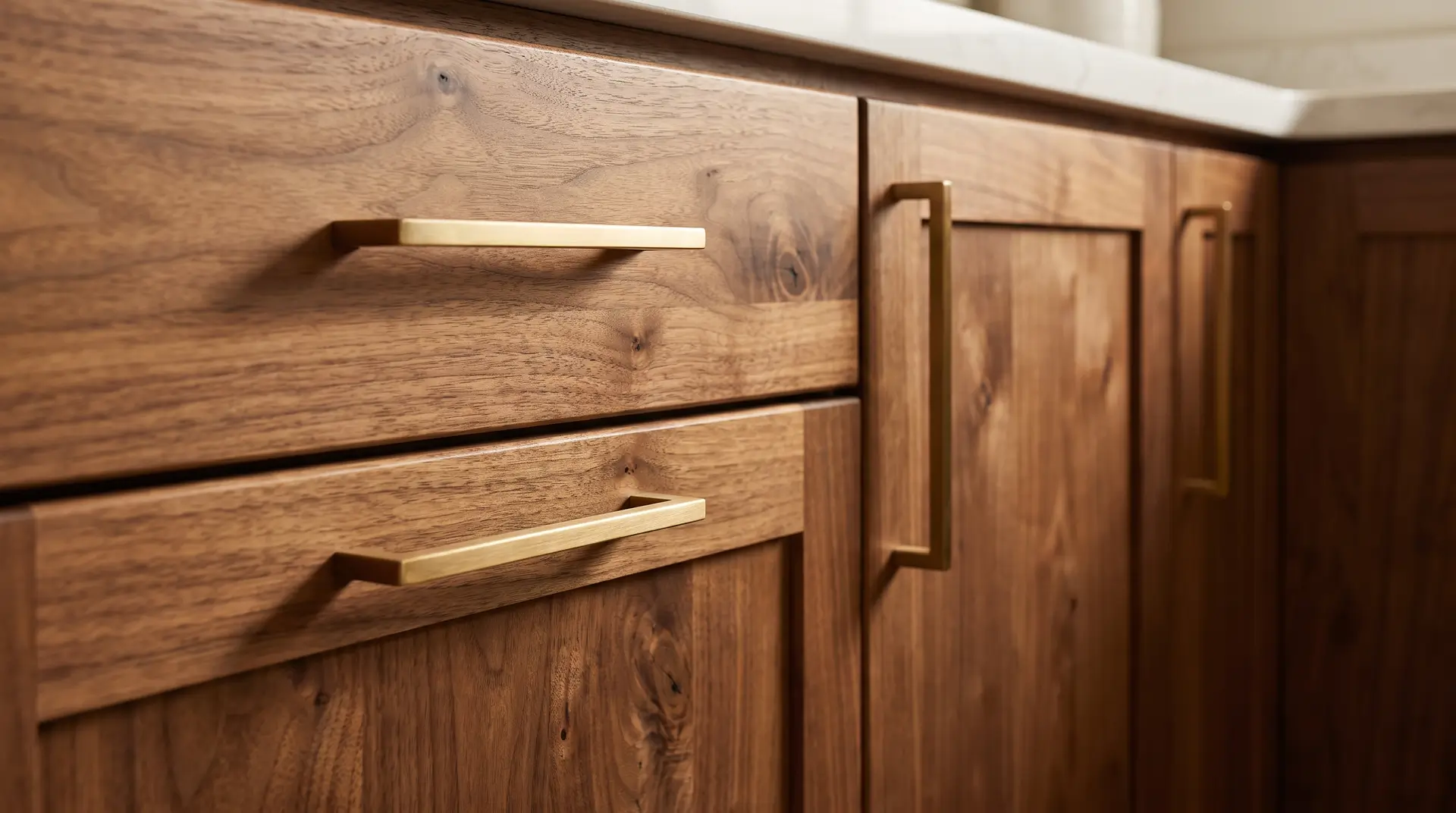
After years of painted cabinetry dominance, natural timber finishes are experiencing genuine resurgence throughout New Zealand kitchens.
What’s Actually Trending
New Zealand’s National Kitchen & Bathroom Association reports that over half of surveyed designers predict walnut will become the most fashionable timber choice in 2026, with warmer cream and sand tones following closely behind. This represents a notable shift towards showing genuine wood grain and texture rather than concealing timber beneath paint.
Homeowners increasingly want to see and feel authentic timber character—visible grain patterns, natural colour variation, and genuine tactile warmth that painted finishes simply cannot replicate. This preference extends across cabinet fronts, with matt finishes remaining dominant (preferred by the majority of New Zealand designers) over glossy alternatives.
Why This Works Long-Term
Quality timber cabinetry offers genuine longevity advantages over painted alternatives. Whilst paint chips, scratches, and requires eventual refinishing, well-maintained timber develops attractive patina over time rather than simply looking worn. This durability particularly suits busy family kitchens experiencing daily wear.
Timber also provides genuine warmth impossible to replicate through paint or laminate alternatives. The tactile, natural quality of real wood grain adds authentic character that resonates particularly well in character home renovations where matching existing architectural warmth matters significantly.
Implementation for Kapiti Coast Homes
Walnut cabinetry suits contemporary Kapiti Coast renovations wanting sophisticated warmth without heaviness. For character villas, lighter timber options—white oak or ash—often complement original architecture more naturally than walnut’s deeper tones, though either choice creates authentic connection to the property’s heritage character.
Coastal properties should consider timber’s moisture performance carefully. Quality sealed timber, properly maintained, performs well in coastal conditions, though homeowners should discuss specific finish requirements with suppliers given Kapiti Coast’s salt air exposure.
Trend 3: Porcelain Benchtops Overtake Engineered Stone
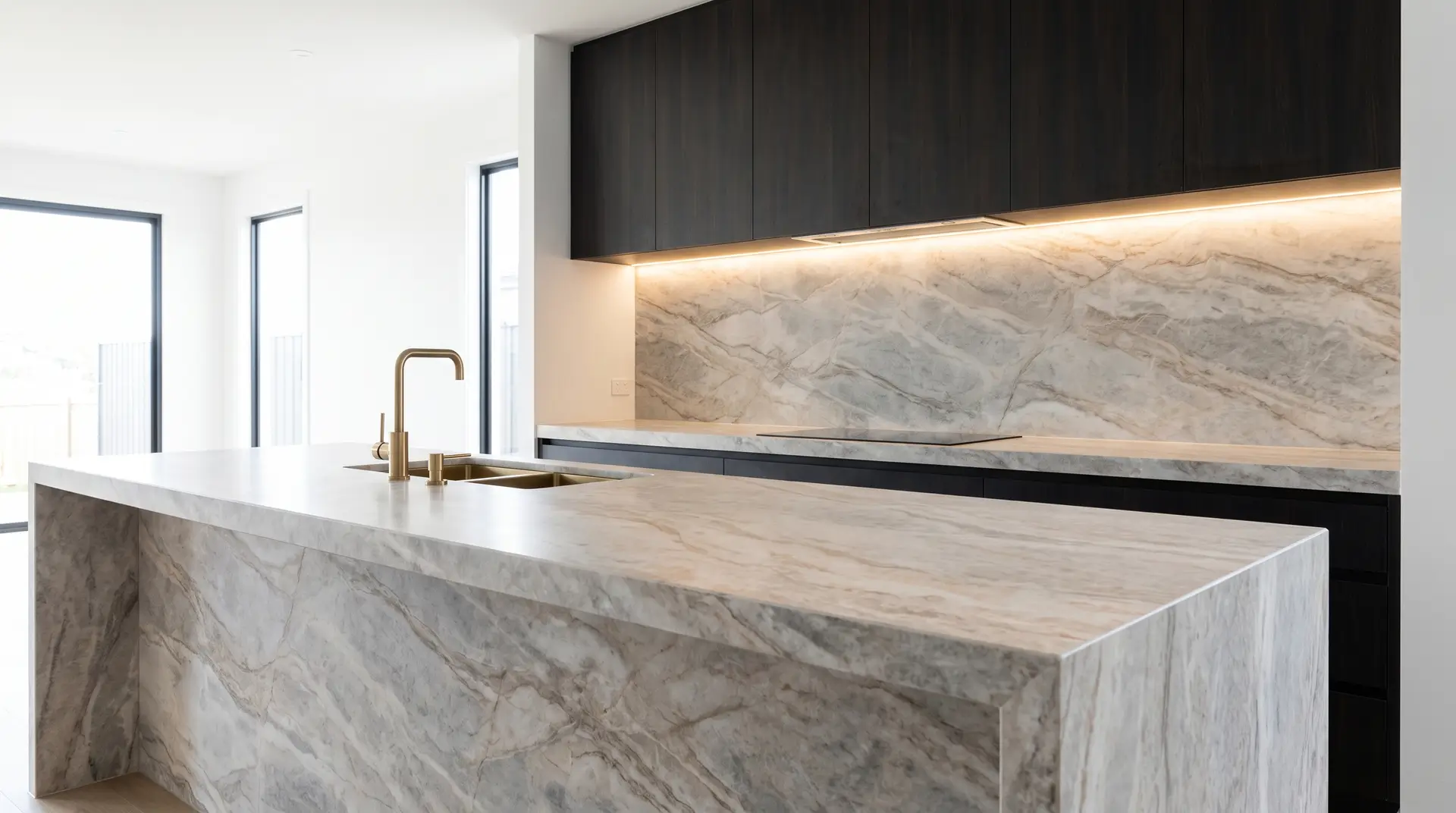
Benchtop material preferences show one of 2026’s most decisive shifts, with porcelain emerging as New Zealand’s clear favourite.
What’s Actually Trending
The vast majority of New Zealand kitchen designers now prefer porcelain benchtops over previously-dominant engineered stone. This shift reflects porcelain’s improving accessibility, with expanding colour and pattern ranges making this material available at increasingly competitive price points compared to previous years.
Porcelain’s popularity stems from genuine performance advantages: exceptional durability, strong resistance to staining and scratching, and increasingly sophisticated aesthetic options rivalling natural stone’s appearance without stone’s maintenance requirements.
Why This Works Long-Term
For busy family kitchens, porcelain’s practical benefits prove genuinely valuable. Unlike natural stone requiring regular sealing, porcelain resists staining without ongoing maintenance. Scratch resistance exceeds most alternatives, whilst heat resistance allows placing hot pans directly on surfaces without damage—a genuine advantage for households doing serious daily cooking.
Porcelain’s expanding aesthetic range means homeowners no longer sacrifice style for practicality. Contemporary porcelain convincingly replicates marble’s veining, concrete’s industrial appeal, or natural stone’s organic patterns whilst delivering superior real-world performance.
Implementation for Kapiti Coast Homes
Coastal properties particularly benefit from porcelain’s moisture and staining resistance, proving genuinely practical for kitchens exposed to salt air and coastal humidity. The material’s durability suits both busy family kitchens and holiday properties experiencing intermittent use patterns common in Waikanae Beach and Raumati cottages.
For character villa renovations, porcelain’s expanding pattern range now includes options complementing period-appropriate aesthetics, allowing heritage-sensitive material choices without sacrificing contemporary performance benefits.
Trend 4: Matching Benchtop-to-Splashback Design
Rather than treating benchtops and splashbacks as separate design elements, 2026 sees continued strength in extending matching material seamlessly up the wall.
What’s Actually Trending
New Zealand designers report strong continued momentum behind this matching approach, with the significant majority expecting this trend to remain popular. Rather than choosing separate tile or glass splashback materials, homeowners increasingly select benchtop material extending directly up the wall, creating visually seamless, uninterrupted surfaces.
This approach particularly suits porcelain’s growing popularity, as the same slabs used for benchtops can extend upward, creating cohesive visual flow throughout the entire work zone.
Why This Works Long-Term
Matching benchtop-to-splashback design creates a more spacious, uncluttered visual impression—particularly valuable in smaller Kapiti Coast kitchens common in character villas and cottages. The absence of a visual “break” between benchtop and splashback allows the eye to flow continuously, making compact spaces feel less busy and more expansive.
Practically, this approach also eliminates grout lines that traditional tiled splashbacks require, reducing cleaning and maintenance whilst improving hygiene—genuinely valuable for busy family kitchens.
Implementation for Kapiti Coast Homes
This trend suits both contemporary renovations and thoughtful character home updates. For smaller villa or cottage kitchens, matching benchtop-to-splashback design helps compact spaces feel considerably more spacious without any structural changes—complementing strategies covered in our guide to maximising small kitchen spaces.
Trend 5: Curved Islands and Softer Forms
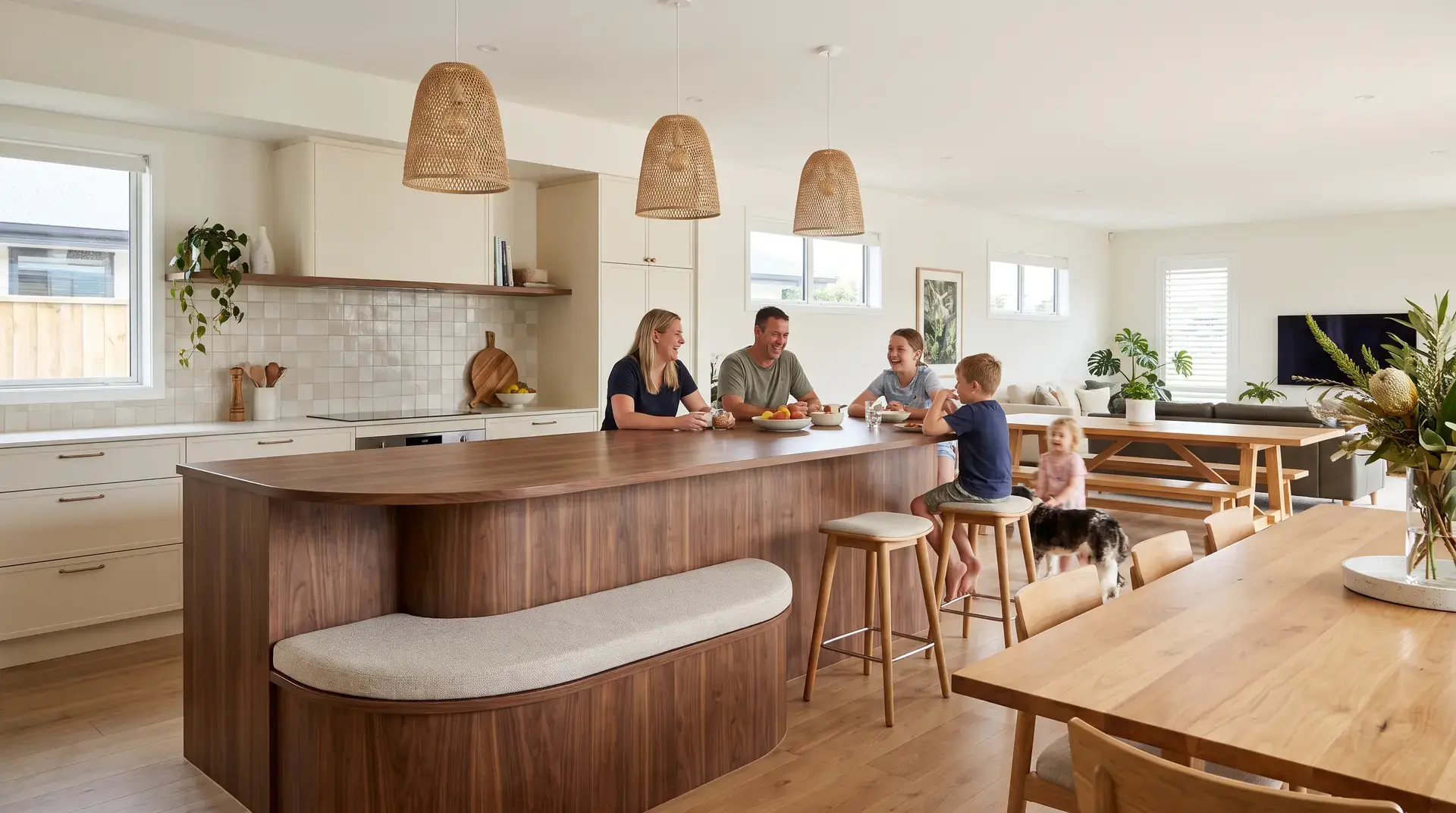
Sharp, angular kitchen islands are giving way to gentler curves and organic shapes throughout 2026’s most successful designs.
What’s Actually Trending
New Zealand kitchens increasingly feature curved or softly rounded island edges rather than sharp rectangular forms. This extends to cabinet detailing too, with gently chamfered edges and rounded corners replacing previous years’ uncompromisingly sharp lines.
Beyond pure aesthetics, islands themselves are evolving functionally. Rather than serving purely food preparation purposes, 2026’s islands increasingly function as genuine social hubs—incorporating seating, storage, and sometimes hidden appliances behind curved, welcoming forms.
Why This Works Long-Term
Curved forms create genuinely warmer, more approachable atmospheres compared to sharp angles. This softer language suits how modern families actually use kitchens—as gathering spaces for conversation, homework, and casual dining rather than purely functional cooking zones.
Practically, curved island edges also reduce injury risk from sharp corners, particularly relevant for households with young children navigating busy kitchen spaces daily.
Implementation for Kapiti Coast Homes
For open-plan Kapiti Coast homes where kitchens flow into living and dining areas, curved islands create natural, welcoming transitions between spaces. This particularly suits family homes in Raumati and Paraparaumu where the kitchen serves as the genuine heart of daily family life rather than an isolated cooking zone.
Character villa kitchens can incorporate subtle curved elements—perhaps a gently rounded island corner or chamfered cabinet edges—without overwhelming the property’s existing architectural character.
Trend 6: Integrated Storage and Hidden Scullery Zones
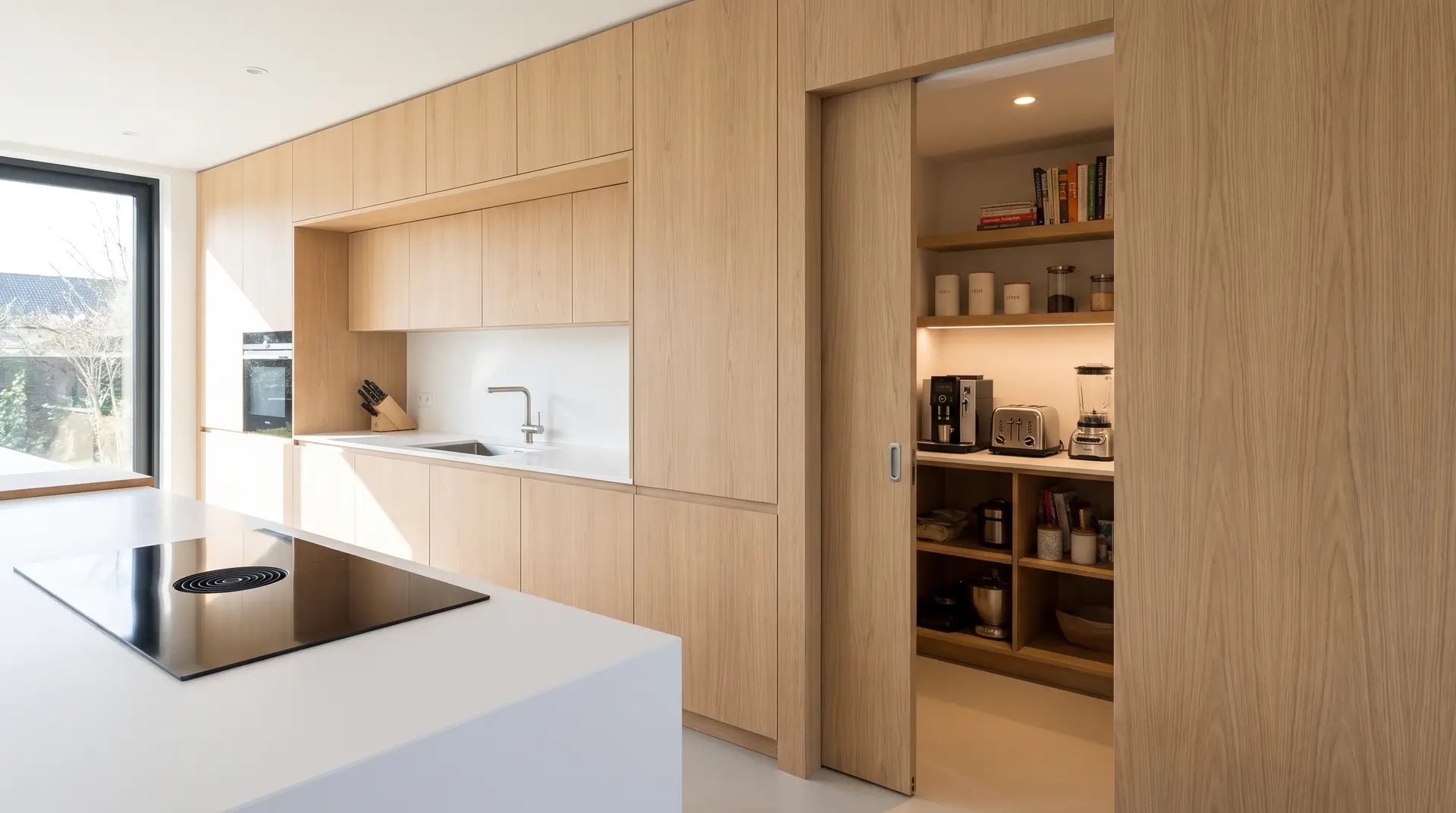
Perhaps 2026’s most practically valuable trend involves increasingly sophisticated hidden storage, allowing kitchens to maintain clean, uncluttered appearances whilst supporting genuinely busy family life behind the scenes.
What’s Actually Trending
Pocket door and sliding panel systems are proving genuinely popular throughout New Zealand kitchens, allowing homeowners to conceal entire functional zones—coffee stations, appliance garages, or even sinks and dishwashers—behind sleek cabinet fronts. This creates scullery-like functionality even within relatively modest kitchen footprints.
This integrated approach extends throughout storage design generally, with New Zealand designers reporting strong continued demand for built-in, hidden storage solutions that keep everyday clutter concealed whilst maintaining full functionality.
Why This Works Long-Term
This trend addresses a genuine, lasting need rather than pursuing fleeting aesthetic fashion. Busy family kitchens inevitably accumulate small appliances, everyday clutter, and preparation mess. Rather than pretending this reality doesn’t exist, hidden storage zones acknowledge real family life whilst maintaining beautiful, photograph-ready main kitchen areas.
Unlike purely aesthetic trends destined to feel dated, functional storage improvements tend to age gracefully because they solve permanent, practical problems rather than chasing temporary style preferences.
Implementation for Kapiti Coast Homes
Even compact character villa kitchens can incorporate simplified versions of this trend—perhaps a pocket door concealing a compact coffee station, or an appliance garage hiding countertop clutter. This approach works particularly well alongside vertical storage strategies covered in our small kitchen space-maximising guide, combining multiple approaches for maximum functional benefit within modest footprints.
For larger renovation projects with adequate space, dedicated scullery additions provide even more comprehensive hidden functionality, particularly valuable for families wanting main kitchen areas to remain consistently presentable despite daily cooking activity.
Trend 7: Thoughtful Texture (With an Important Caveat)
Textural interest continues trending strongly throughout 2026, though this category requires more nuanced consideration than most other current trends.
What’s Actually Trending
New Zealand kitchens increasingly incorporate tactile surface interest—brushed timber finishes, subtle linen-textured laminates, and varied material combinations that engage touch alongside visual appeal. This represents a deliberate move away from flat, uniformly smooth surfaces that dominated previous minimalist trends.
The Important Caveat
However, some specific textural applications already show signs of losing their initial appeal. Heavily fluted cabinet fronts—featuring pronounced vertical grooves across entire cabinet runs, islands, and range hoods—achieved significant popularity but now risk feeling overdone rather than timeless. Whilst the textural interest itself remains valuable, applying fluting extensively throughout entire kitchens increasingly feels like a passing fashion rather than an enduring design choice.
Additionally, fluted cabinetry typically requires wood veneer construction, generally less durable than solid timber alternatives and more difficult to repair or refinish over time.
Why Selective Texture Works Better Long-Term
Rather than pursuing heavy, uniform textural statements throughout entire kitchens, more selective, considered textural applications tend to age better. A single textured feature—perhaps one island end or a specific cabinet section—provides tactile interest without risking the “overdone” feeling accompanying wall-to-wall fluted surfaces.
Mixed material combinations—pairing smooth painted surfaces with select timber-grain elements—typically deliver more lasting sophistication than applying identical texture treatments uniformly throughout every visible surface.
Implementation for Kapiti Coast Homes
For Kapiti Coast renovations, consider textural interest through material contrast rather than surface treatment alone. Combining timber cabinetry with painted elements, or pairing textured splashback tiles with smooth benchtops, provides genuine tactile variety without risking premature dating that heavily uniform fluted treatments increasingly face.
What’s Fading: Trends Losing Their Appeal
Understanding what’s declining proves equally valuable as recognising what’s rising. Several previously popular approaches show clear signs of losing momentum throughout 2026.
Stark, Clinical White Kitchens
Whilst white remains a legitimate colour choice, the previous trend towards uniformly stark, cool-white kitchens without warming elements increasingly feels dated compared to 2026’s warmer alternatives. All-white schemes lacking any textural or tonal variation now read as somewhat clinical rather than the clean, contemporary statement they once represented.
Ultra-Minimal, Handleless Anonymity
The extreme minimalist approach—rows of identical handleless cabinetry devoid of personality or distinguishing character—is losing favour as homeowners increasingly want kitchens reflecting genuine personal style rather than pursuing perfect, anonymous uniformity.
Excessive Open Shelving
Whilst thoughtfully curated open shelving displaying genuinely attractive items retains appeal, the trend towards extensive open shelving throughout entire kitchens is fading. Practical concerns around dust accumulation, visual clutter, and the pressure of maintaining “styled” shelving constantly are pushing homeowners back towards more hidden storage solutions.
Monotone, Single-Colour Schemes
Kitchens relying entirely on one colour throughout every surface increasingly feel flat compared to 2026’s preference for thoughtful contrast—whether through two-tone cabinetry, mixed materials, or textural variety adding depth and visual interest.
Overly Glossy Finishes
Whilst glossy surfaces haven’t disappeared entirely, matt finishes now dominate New Zealand preferences, with the majority of designers favouring matt over glossy alternatives. Extremely reflective, glossy cabinet fronts increasingly feel less sophisticated than contemporary matt options.
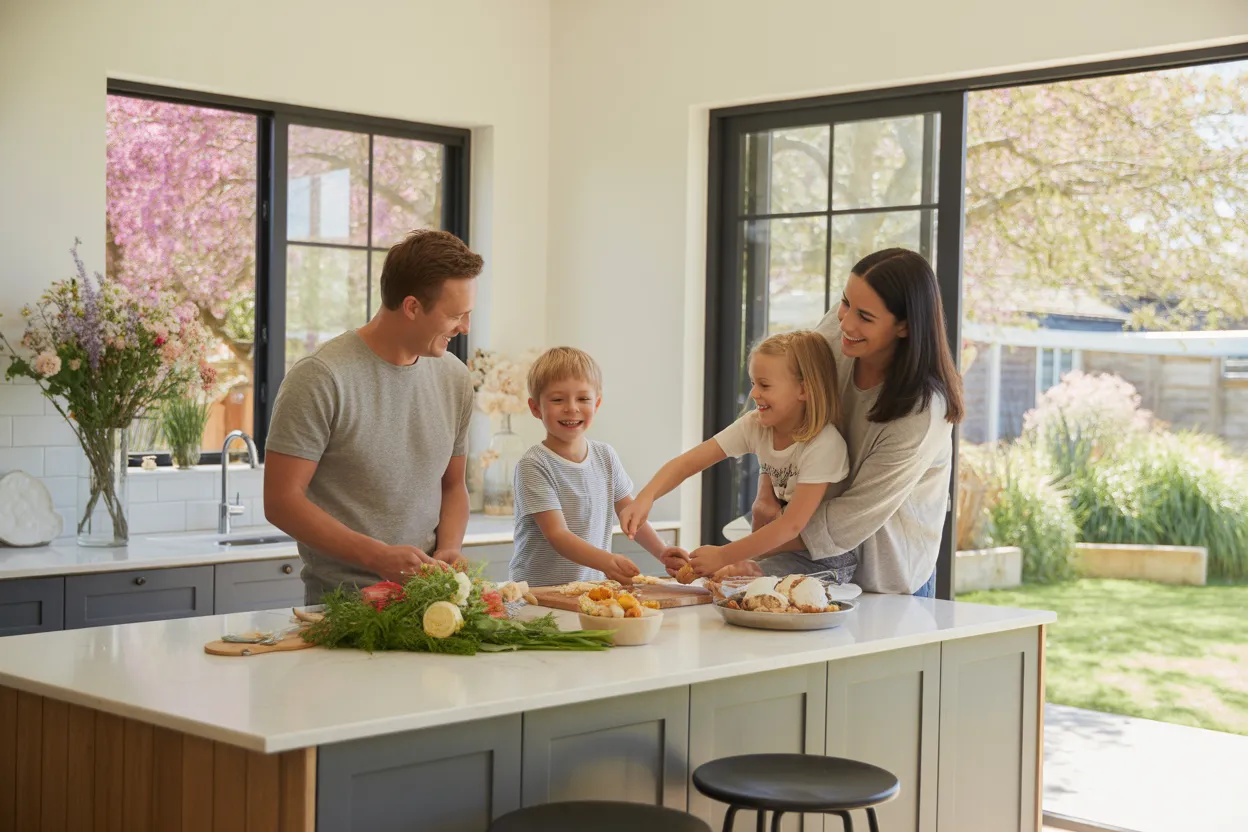
Real Kapiti Coast Trend Applications
Understanding how these trends translate into actual local kitchens helps homeowners envision realistic applications for their own renovations.
Example 1: Paraparaumu Villa Trend-Forward Renovation
A character villa renovation completed early 2026 demonstrates several key trends working harmoniously within a heritage property.
Trends Applied:
- Warm sage green cabinetry replacing original dated timber-look laminate
- Walnut open shelving section complementing painted cabinetry
- Porcelain benchtop in warm, earthy stone-look pattern
- Matching porcelain splashback extending seamlessly upward
- Subtle chamfered edge detailing on cabinet fronts
Result: The renovation successfully honoured the villa’s original 1950s character whilst incorporating genuinely current design language. The combination of warm colour, natural timber accents, and matching benchtop-to-splashback design created a cohesive, contemporary feel without any jarring contrast against original architectural details.
Example 2: Waikanae Beach Contemporary Cottage Update
This coastal cottage renovation demonstrates trend application within a smaller footprint whilst addressing coastal environmental considerations.
Trends Applied:
- Biscuit-toned cabinetry with matt finish throughout
- Porcelain benchtop selected specifically for coastal moisture resistance
- Pocket door concealing compact coffee station and appliance storage
- Curved island corner softening the compact space
- Selective timber texture on island end panel only
Result: The cottage successfully balances coastal practicality with current design trends. Porcelain’s moisture resistance proved particularly valuable given the property’s beachfront exposure, whilst the selective texture application avoided the “overdone” feeling that more extensive fluting might have created within the compact space.
Example 3: Raumati Family Home Comprehensive Renovation
This larger family renovation demonstrates multiple trends working together within a more substantial project scope.
Trends Applied:
- Two-tone design: cream upper cabinetry with deeper olive lower cabinets
- Walnut island with curved edges and integrated seating
- Porcelain benchtop and matching splashback throughout
- Hidden scullery zone via pocket door system
- Bar-style cabinet hardware in brushed brass
Result: The family reports their new kitchen successfully balances trend-forward style with genuine daily functionality. The hidden scullery zone particularly proved valuable, allowing the main kitchen to remain consistently presentable despite busy family cooking activity, whilst the curved island with integrated seating became the genuine social hub the family had hoped for.
Balancing Trends with Timeless Investment
Whilst understanding current trends helps inform renovation decisions, successful kitchen design requires balancing contemporary style with genuine longevity.
Prioritise Trends with Functional Benefits
Trends solving genuine practical problems—hidden storage, durable porcelain benchtops, matching splashback design reducing maintenance—tend to age more gracefully than purely aesthetic choices. When selecting which 2026 trends to incorporate, prioritise those offering lasting functional value alongside current style appeal.
Choose Structural Elements Carefully, Accessorise More Freely
Major structural decisions—cabinet colour, benchtop material, overall layout—warrant more conservative, timeless choices given their expense and difficulty changing later. Reserve genuinely trendy elements for more easily updated features: hardware, lighting fixtures, or decorative accessories that can evolve as trends shift without requiring complete kitchen replacement.
Consider Your Home’s Existing Character
For Kapiti Coast’s abundant character properties, trends complementing existing architectural style typically deliver more satisfying long-term results than trends fighting against a property’s inherent character. Warm, earthy 2026 trends generally suit character villas and coastal cottages particularly well, though homeowners should always consider their specific property’s existing details when selecting trend applications.
Budget Considerations
Trend-forward materials like porcelain benchtops and quality timber cabinetry typically command premium pricing compared to basic alternatives. For comprehensive budget planning incorporating current trends, explore our complete Kitchen Renovation Kapiti Coast Planning & Budget Guide 2026 covering realistic costs across different investment levels.
For smaller kitchens wanting to incorporate current trends within compact footprints, our guide to maximising small kitchen spaces demonstrates how trend-forward choices work within Kapiti Coast’s abundant villa and cottage properties.
Conclusion
2026 represents a genuinely welcome shift in New Zealand kitchen design—away from clinical, anonymous minimalism towards warmth, character, and authentic personality. The trends proving most successful this year share common threads: they solve genuine practical problems, complement natural materials and earthy tones, and create kitchens feeling like authentic extensions of family homes rather than sterile showroom displays.
For Kapiti Coast homeowners, this trend direction aligns particularly well with our region’s abundance of character villas and coastal cottages. Warm neutrals, natural timber, and thoughtful texture all complement heritage architecture far more naturally than the stark contemporary minimalism that dominated recent years.
Not every trending element deserves adoption, however. Understanding which trends offer lasting functional value—hidden storage, durable porcelain benchtops, matching splashback design—versus which represent more fleeting aesthetic fashion helps homeowners invest wisely rather than chasing every passing trend.
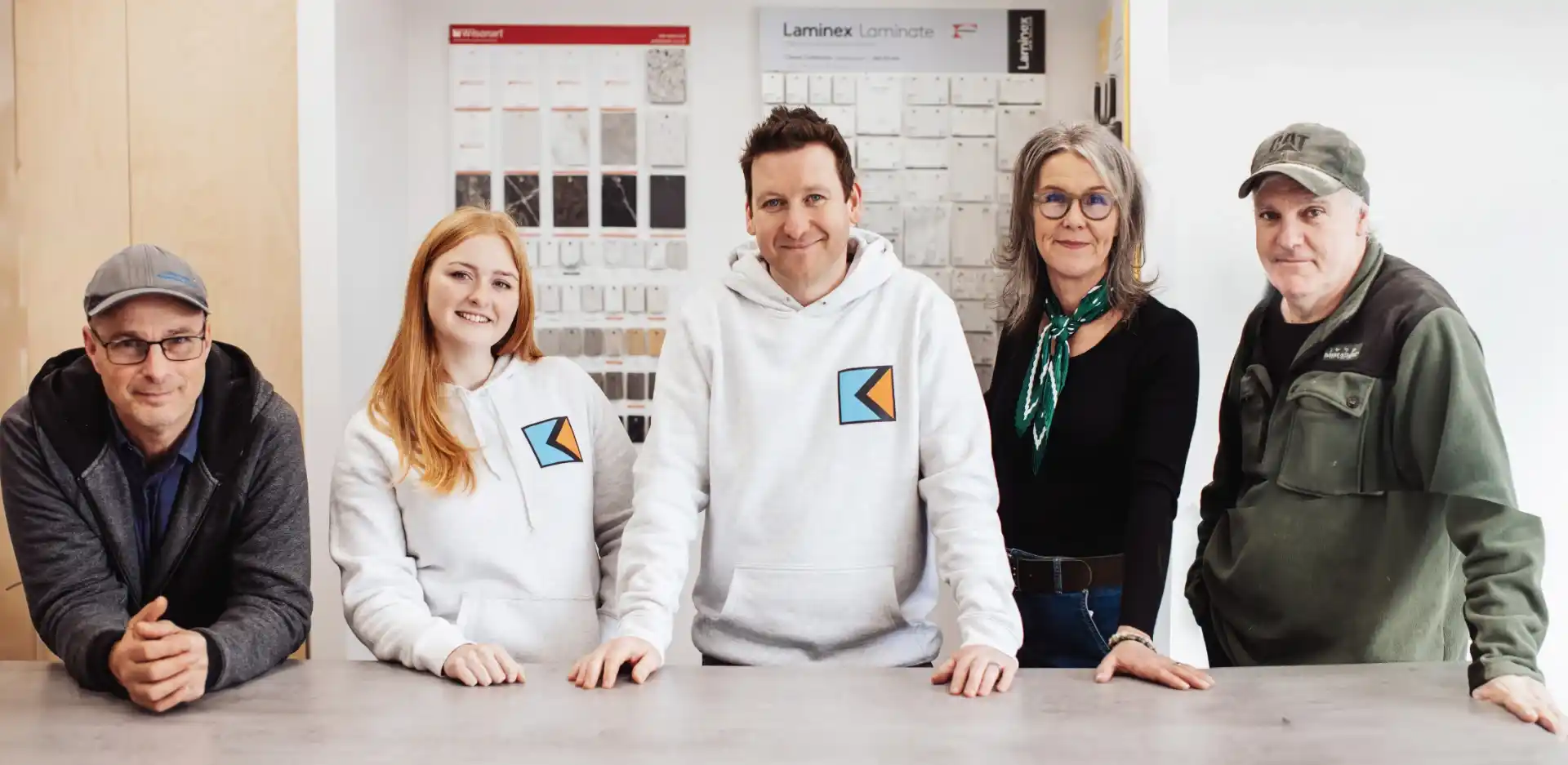
At Chatswood Kitchens, our four decades of Kapiti Coast experience means we help homeowners navigate current trends thoughtfully, incorporating genuinely valuable current design language whilst avoiding choices likely to feel dated within a few short years. The best kitchens balance contemporary relevance with timeless functionality—exactly what 2026’s most successful local renovations demonstrate.
Ready to explore how these trends might suit your specific Kapiti Coast kitchen? Understanding what’s genuinely working, rather than simply what’s trending online, makes all the difference between a renovation you’ll love for decades and one that feels dated within a few short years.
Frequently Asked Questions
What’s the most popular kitchen colour trend in New Zealand for 2026?
Warm, earthy neutrals lead New Zealand’s 2026 kitchen colour preferences, replacing the stark whites and cool greys that previously dominated. Soft sage greens, warm creams, and biscuit tones represent the most popular choices, creating calm, welcoming atmospheres whilst avoiding clinical feelings that pure white sometimes creates. Deeper options including olive, moss, and warm taupe suit homeowners wanting more dramatic statements without sacrificing overall warmth. This shift towards earthy tones reflects broader New Zealand design preferences moving away from anonymous minimalism towards kitchens feeling more personal and connected to natural surroundings. For Kapiti Coast character properties particularly, these warm neutrals complement existing timber flooring, exposed beams, and period architectural details far more naturally than stark contemporary whites, making this trend especially relevant for villa and cottage renovations throughout the region.
Are timber kitchen cabinets actually more popular than painted ones in 2026?
Yes, natural timber cabinetry is experiencing genuine resurgence throughout New Zealand kitchens after years of painted finish dominance. Industry surveys indicate walnut has become the most fashionable timber choice among New Zealand designers, with warmer cream and sand tones following closely. This represents a decisive shift towards showing authentic wood grain and texture rather than concealing timber beneath paint. Homeowners increasingly want genuine tactile warmth and visible natural variation that only real timber provides, rather than the uniform appearance painted finishes create. This preference makes sense practically too—quality timber cabinetry offers better longevity than painted alternatives, developing attractive patina over time rather than simply showing wear. For character home renovations particularly, timber cabinetry creates authentic connection to a property’s heritage character that painted finishes often cannot replicate as convincingly.
Should I choose porcelain or engineered stone for my kitchen benchtop in 2026?
Porcelain has overtaken engineered stone as New Zealand designers’ clear preference for 2026 kitchen benchtops, with the vast majority now recommending porcelain over previously-dominant stone alternatives. This shift reflects porcelain’s improving accessibility, with expanding colour and pattern ranges now available at increasingly competitive prices compared to previous years. Porcelain offers genuine performance advantages including exceptional durability, strong stain and scratch resistance, and heat resistance allowing hot pans directly on surfaces without damage. For Kapiti Coast properties particularly, porcelain’s moisture resistance proves valuable given coastal humidity and salt air exposure common throughout the region. Whilst engineered stone remains a perfectly reasonable choice, porcelain’s combination of practical performance and expanding aesthetic options explains why it’s become the preferred material among New Zealand kitchen professionals this year.
Is fluted cabinetry still a good choice for my 2026 kitchen renovation?
Fluted cabinetry requires careful consideration in 2026, as this previously popular textural trend shows signs of losing its initial appeal when applied extensively throughout entire kitchens. Whilst the textural interest itself remains valuable, heavily fluted cabinet fronts covering entire cabinet runs, islands, and range hoods increasingly feel overdone rather than timeless. Additionally, fluted cabinetry typically requires wood veneer construction, which is generally less durable and harder to repair than solid timber alternatives. Rather than avoiding texture entirely, consider more selective fluted applications—perhaps a single feature element like one island end—paired with smoother surfaces elsewhere. This selective approach provides genuine tactile interest without risking the dated feeling that wall-to-wall fluted treatments increasingly face. If you love the fluted aesthetic specifically, discuss solid timber options with your kitchen designer rather than veneer construction, ensuring better long-term durability regardless of how the broader trend evolves.
Will matching my benchtop and splashback material go out of style soon?
Matching benchtop-to-splashback design, where benchtop material extends seamlessly up the wall rather than using separate tile or glass, shows strong continued momentum in New Zealand kitchens, with the significant majority of designers expecting this trend to remain popular. Unlike more fleeting aesthetic trends, this approach offers genuine functional benefits likely to support its longevity: it creates a more spacious, uncluttered visual impression, eliminates grout lines requiring ongoing maintenance, and improves hygiene through seamless, easy-clean surfaces. These practical advantages, rather than purely aesthetic appeal, suggest this trend will likely prove more durable than purely decorative fashions. For smaller Kapiti Coast kitchens particularly, this approach helps compact character villa and cottage spaces feel considerably more spacious without requiring any structural changes, making it a genuinely worthwhile consideration regardless of broader trend longevity.
Ready to Bring 2026’s Best Trends to Your Kitchen?
Whether you’re drawn to warm timber tones, curved contemporary islands, or practical hidden storage solutions, Chatswood Kitchens helps Kapiti Coast homeowners incorporate genuinely valuable current trends whilst avoiding choices likely to feel dated prematurely.
Our complimentary consultations involve discussing which current trends genuinely suit your property and lifestyle, recommending timeless structural choices alongside trend-forward accents, providing realistic cost estimates for trend-forward materials like porcelain and quality timber, and helping you balance contemporary style with lasting functionality. We offer professional services across every budget level, from targeted updates through complete custom kitchen transformations.
Contact Chatswood Kitchens today to discuss bringing 2026’s best kitchen trends to your home. Call us directly at 04 902 9292 or email enquiries@chatswoodkitchens.co.nz to schedule your consultation. Visit our Paraparaumu design studio at 46 Te Roto Drive, Paraparaumu 5032 to see current trends in person and discuss your kitchen’s potential.
Your trend-forward, timeless kitchen awaits—let’s design it together.