

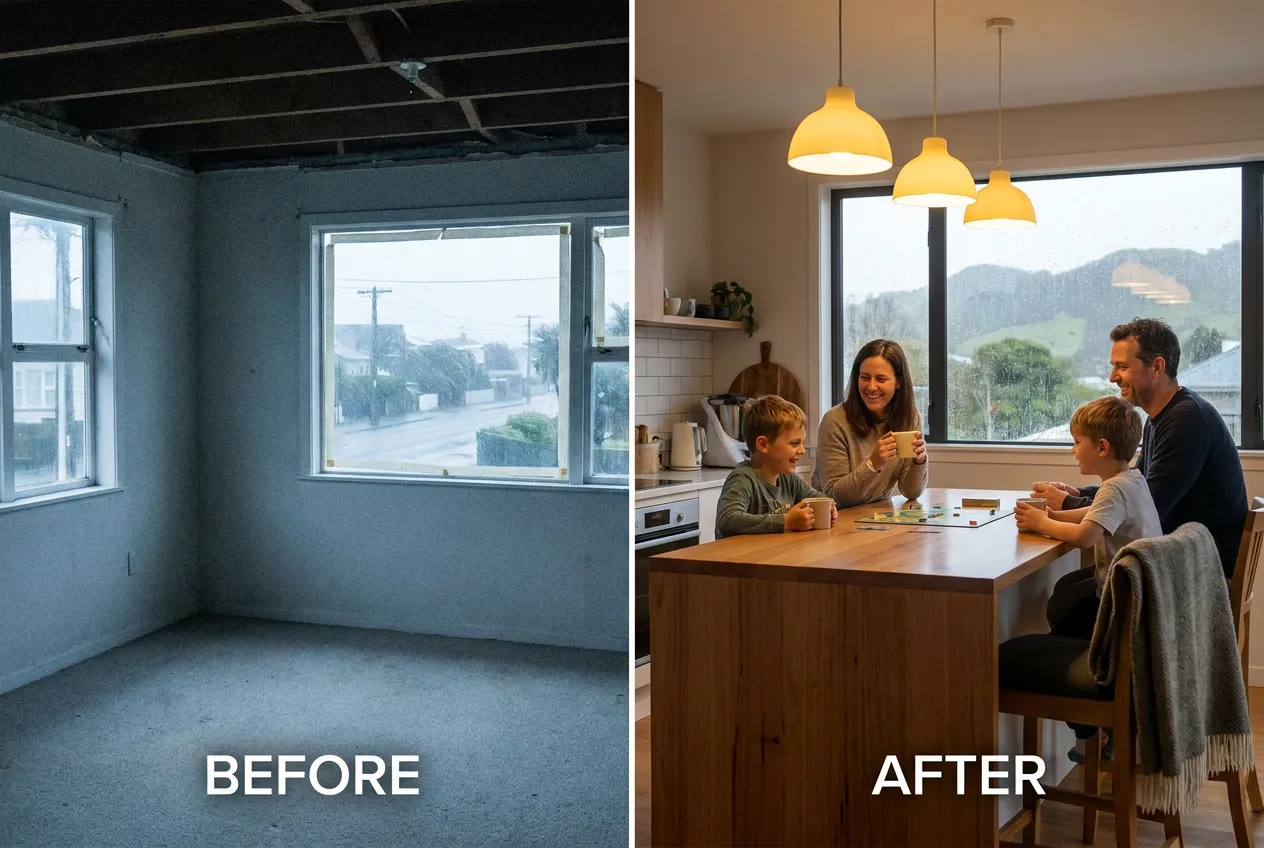
Most Wellington homeowners assume summer is the ideal season for kitchen renovations. After all, better weather means easier construction, right? The surprising truth is that winter often presents the best opportunity for transforming your kitchen—offering significant cost savings, faster timelines, and superior contractor availability that summer simply cannot match.
At Chatswood Kitchens, we’ve completed hundreds of kitchen renovations across the Kapiti Coast over four decades. Our experience reveals a consistent pattern: homeowners who renovate during winter months typically save 15-25% on total project costs whilst enjoying faster completion times and access to our most skilled craftspeople. Wellington’s mild coastal climate makes winter renovation particularly practical, avoiding the delays and premium pricing that plague summer projects.
This guide examines why winter renovation challenges conventional wisdom, exploring the genuine advantages this season offers Wellington homeowners. Whether you’re planning a complete transformation or targeted updates, understanding optimal timing helps you maximise value whilst minimising disruption and cost.
Key Takeaways
- Winter renovations save 15-25% on total costs through reduced contractor rates, material discounts, and better negotiating leverage during the off-peak season
- Wellington’s mild winters average 12-14°C making indoor kitchen work completely unaffected by weather, unlike regions experiencing harsh winter conditions
- Contractor availability peaks in winter with 40-60% more scheduling flexibility compared to summer’s fully-booked calendars, meaning faster project starts
- Projects complete 2-3 weeks faster in winter due to focused contractor attention without competing summer projects causing delays or split crews
- Material suppliers offer winter promotions with clearance sales on appliances, cabinetry, and fixtures typically running June through August for maximum savings
- Book March-April for June-August work to secure premium contractors and lock in winter pricing before they fill remaining capacity
- Indoor kitchen renovations remain comfortable throughout winter with proper heating, whilst outdoor extensions genuinely suit warmer months
- Complete before spring entertaining season allowing you to showcase your new kitchen during September-November when social calendars fill with gatherings
Why Most Homeowners Get Renovation Timing Wrong

The assumption that summer suits renovations best stems from outdoor construction projects where weather genuinely matters. Decking, exterior painting, and landscaping all benefit from warm, dry conditions. However, kitchen renovations occur almost entirely indoors, making seasonal weather largely irrelevant to project success.
This misconception creates predictable patterns across Wellington. Contractors’ calendars fill solid from November through March, with homeowners competing for limited availability. Material suppliers experience high demand, reducing negotiating power. Labour costs rise as tradespeople command premium rates during peak season. Projects stretch longer as contractors juggle multiple simultaneous jobs.
Meanwhile, winter months see dramatically reduced demand despite offering ideal conditions for kitchen work. Indoor renovations proceed comfortably regardless of outside temperatures. Wellington’s temperate climate means winter rarely disrupts schedules. Smart homeowners recognising this pattern capture substantial advantages whilst others wait months for summer availability.
The reality proves counter-intuitive: winter’s perceived disadvantages actually create opportunities for significant savings and superior service. Understanding why challenges conventional thinking helps you make informed decisions about optimal renovation timing.
The Genuine Cost Advantages of Winter Renovation
Winter renovation delivers measurable financial benefits across every project aspect. These savings compound, often totalling thousands of dollars compared to identical summer projects.
Lower Contractor Rates During Off-Peak Season
Skilled tradespeople adjust pricing based on demand. Summer’s high volume allows premium rates, whilst winter’s reduced bookings create competitive pricing. Kitchen installers, electricians, and plumbers typically reduce hourly rates 10-20% during June through August seeking to maintain steady workflow.
For average Kapiti Coast kitchen renovations, this translates to $2,000-$5,000 savings on labour alone. A project quoted $8,000 for installation during January might cost $6,500-$7,000 in July—identical work, substantial savings simply through timing.
Contractors also offer package deals during winter, bundling services at reduced rates. Cabinet installation combined with benchtop fitting and splashback work might receive 15% discount when booked together during off-peak months. These promotions rarely appear during summer’s busy period.
Material Supplier Clearance and Promotions
June through August represents clearance season for kitchen suppliers. Retailers reduce inventory before spring stock arrivals, offering significant discounts on quality products. Appliance packages see 20-30% reductions as manufacturers introduce new models. Previous year’s cabinet ranges sell at substantial markdowns whilst remaining perfectly functional.
These savings prove genuine, not gimmicks. A $4,000 appliance package (oven, cooktop, rangehood, dishwasher) might drop to $2,800-$3,200 during winter promotions. Quality engineered stone benchtops discounted 15-25% during clearance events deliver identical performance at reduced cost.
Bunnings, Mitre 10, and Placemakers all run winter sales targeting renovation projects. Cabinet hardware, lighting fixtures, and finishing materials become more affordable. Shopping strategically during these promotions stretches renovation budgets considerably further than summer purchasing.
Better Negotiating Leverage
Lower demand means stronger negotiating position. Contractors want to maintain workflow during quieter months, creating willingness to negotiate rates, payment terms, or project scope. This leverage disappears during summer when fully-booked schedules eliminate incentive to discount.
Homeowners booking winter renovations successfully negotiate inclusions summer clients cannot secure. Upgrading cabinet handles, adding under-bench lighting, or including additional electrical outlets becomes easier when contractors seek to fill winter calendars. These extras add genuine value without proportional cost increases.
Material suppliers similarly discount during winter. Bulk purchases, package deals, or slight specification adjustments yield better pricing when demand stays low. A benchtop supplier might reduce rates 10% for winter installation, or throw in free templating and installation for orders above certain thresholds.
Reduced Project Management Costs
Many renovation companies charge project management fees covering coordination, supervision, and quality control. Winter’s focused attention means these costs reduce or disappear entirely. With fewer simultaneous projects, your kitchen receives dedicated oversight without premium fees.
Summer projects often involve split crews working across multiple sites, increasing coordination complexity and associated costs. Winter allows single-project focus, reducing management overhead whilst improving quality and timeline adherence.
Total Savings Analysis
Combining these advantages, typical winter renovation savings break down as:
- Labour costs: 10-20% reduction ($2,000-$5,000 saved)
- Materials and appliances: 15-25% savings ($3,000-$8,000 saved)
- Negotiated inclusions: $1,000-$3,000 additional value
- Reduced project fees: $500-$1,500 saved
Total potential savings: $6,500-$17,500 on a $40,000-$70,000 renovation project, representing 15-25% cost reduction purely through timing.
Wellington’s Winter Climate Advantage

Wellington’s coastal location and temperate climate create ideal winter renovation conditions vastly different from colder New Zealand regions. Understanding local weather patterns clarifies why winter suits kitchen work exceptionally well here.
Mild Winter Temperatures
Wellington winters average 12-14°C during June through August, with daily maximums often reaching 15-17°C. These moderate temperatures mean comfortable indoor working conditions without extreme cold affecting materials, adhesives, or worker productivity.
Compare this to Christchurch (averaging 7-10°C) or Queenstown (often below 5°C) where genuinely cold conditions complicate indoor work. Wellington’s mild winters allow normal construction processes without temperature-related complications.
Modern heating systems maintain comfortable interior temperatures regardless of outside conditions. Portable heaters ensure work areas stay warm whilst protecting temperature-sensitive materials like adhesives, paints, and sealants requiring specific application temperatures.
Predictable Weather Patterns
Wellington experiences consistent winter weather without extreme variations. Whilst rainfall occurs regularly, indoor kitchen work proceeds unaffected. The occasional severe weather event might delay deliveries briefly, but established contractors plan accordingly, maintaining project schedules.
Summer actually presents greater weather unpredictability in Wellington. January through March can bring unexpected storms, high winds, or extreme heat affecting work schedules. Winter’s steadier patterns mean fewer surprise disruptions despite perceived seasonal disadvantages.
Indoor Work Advantages
Kitchen renovations involve predominantly indoor tasks: cabinet installation, benchtop fitting, appliance integration, electrical work, plumbing modifications, splashback installation, and finishing details. None depend on outdoor weather conditions.
Only material deliveries require outdoor access, and suppliers routinely manage this regardless of season. Professional delivery services protect products from weather during transport and unloading. Indoor staging areas keep materials dry and secure throughout projects.
The few outdoor elements—removing old materials through exterior doors, delivering new cabinets—proceed comfortably during Wellington’s mild winters. These brief exposures don’t justify avoiding winter renovation.
Heating Considerations
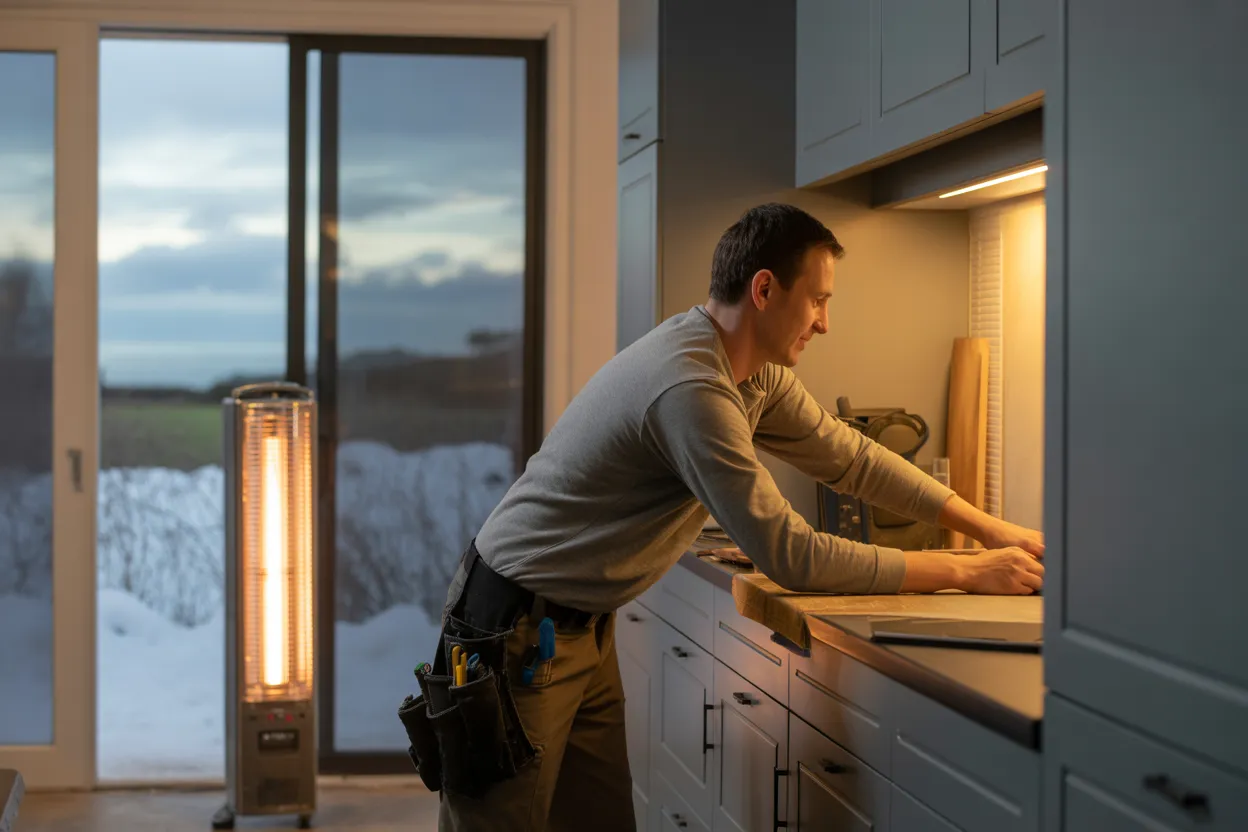
Maintaining comfortable temperatures during winter renovation proves straightforward and inexpensive. Portable electric heaters cost $50-$150 and provide adequate warmth for typical kitchen spaces. These ensure comfortable working conditions for tradespeople whilst protecting temperature-sensitive materials.
Many modern Wellington homes feature heat pumps or central heating, making winter renovation even simpler. Maintaining 18-20°C throughout work areas creates optimal conditions for all construction processes.
Heating costs during a 6-8 week winter renovation typically total $100-$200 in additional electricity—negligible compared to thousands saved through winter pricing advantages.
Coastal Property Considerations
Kapiti Coast properties experience particular advantages during winter renovation. Coastal salt air and moisture prove less intense during winter months compared to summer’s humid conditions. This benefits material curing, paint drying, and adhesive setting.
Cabinet installation and benchtop sealing actually perform better in winter’s controlled humidity compared to summer’s variable moisture levels. Marine-grade finishes and sealants cure properly without summer’s extreme humidity occasionally complicating processes.
Superior Contractor Availability and Service
Winter’s reduced demand creates dramatic advantages in contractor availability, service quality, and project timelines that summer renovation simply cannot match.
Immediate Scheduling vs Months-Long Waits
During summer peak season, quality kitchen contractors book 3-6 months ahead. Homeowners deciding in November face February or March start dates—if lucky. Popular contractors with strong reputations fill even further in advance, sometimes requiring 6-9 month waits.
Winter transforms this completely. Contractors typically schedule projects 2-4 weeks ahead, with premium availability for urgent needs. A homeowner deciding in May can often start work in June, completing before spring. This responsiveness proves impossible during summer’s busy period.
At Chatswood Kitchens, our winter calendar allows significantly more flexibility. We accommodate preferred start dates, work around client schedules, and maintain consistent timelines. Summer bookings require months-ahead planning with less flexibility adjusting to client needs.
Access to Premium Contractors
The most skilled kitchen specialists book first regardless of season. However, winter creates opportunities to engage premium contractors otherwise unavailable. Top-tier craftspeople with exceptional reputations maintain some winter availability whilst staying fully booked throughout summer.
This access to quality proves invaluable. Superior craftsmanship, attention to detail, and proven reliability matter enormously in kitchen renovation. Winter booking secures these premium contractors at potentially reduced rates—double advantage impossible during peak season.
Dedicated Project Attention
Summer contractors juggle multiple simultaneous projects, splitting crews across sites. Your kitchen installation might proceed mornings whilst the same team works elsewhere afternoons. This divided attention extends timelines and risks quality compromises.
Winter allows focused, dedicated attention. Contractors working primarily on your project complete faster whilst maintaining higher quality standards. Daily progress proves more substantial. Problems receive immediate attention rather than waiting whilst crews attend other sites.
This focused approach means 6-8 week summer projects often complete within 4-6 weeks during winter. Faster completion reduces disruption whilst demonstrating the value of contractor’s undivided attention.
Better Communication and Responsiveness
Contractor responsiveness improves dramatically during quieter months. Phone calls return promptly. Questions receive thorough answers. Site visits happen quickly. The project manager maintains consistent contact throughout work.
Summer’s hectic pace means delayed responses, brief communications, and stretched project management. Contractors simply cannot provide same attentiveness across numerous simultaneous projects. Winter’s reduced workload allows proper client service and detailed project oversight.
Consistent Crew Continuity
Summer projects often experience crew changes as contractors move workers between sites. Different installers, varying expertise levels, and inconsistent approaches create quality and timeline issues.
Winter projects typically feature consistent crews throughout. The same skilled installers who begin your kitchen complete it, ensuring continuity, familiarity with your specific project, and consistent quality. This stability proves particularly valuable for complex custom work requiring sustained expertise.
Timeline Advantages: Faster Completion
Winter renovation delivers faster project completion through multiple factors that summer’s busy season cannot replicate.
2-3 Week Timeline Reduction
Standard kitchen renovation timelines run 6-8 weeks from demolition through completion. Winter projects often finish in 4-6 weeks—identical work, faster completion. This acceleration stems from focused contractor attention, better material availability, and reduced scheduling conflicts.
A project starting mid-June typically completes by late July or early August. Starting mid-December might not finish until late February given summer delays, holidays, and contractor juggling. The same renovation, 4-6 weeks different completion time.
No Holiday Disruptions
Summer coincides with New Zealand’s main holiday period. December-January sees contractors taking annual leave, reduced staff availability, and general slowdowns. Projects starting November often pause during holidays, extending timelines significantly.
Winter months avoid this issue entirely. June through August features normal business operations without holiday disruptions. Contractors maintain full crews, suppliers operate normally, and projects proceed without seasonal interruptions.
Material Delivery Reliability
Summer’s high demand creates material supply challenges. Popular items backorder. Delivery schedules stretch. Suppliers prioritise larger commercial projects over residential work. These delays compound, extending kitchen renovation timelines unpredictably.
Winter brings reliable material availability. Cabinet manufacturers, benchtop fabricators, and appliance suppliers maintain stock without backorders. Delivery schedules prove more dependable. Custom orders process faster with reduced queue times.
This reliability means projects proceed on schedule without material-shortage delays. The benchtop templated week one arrives week three as promised, rather than week five due to fabrication backlogs.
Fewer Weather Delays
Whilst indoor work proceeds regardless of weather, material deliveries occasionally face weather-related delays. Wellington’s summer storms and high winds sometimes prevent safe deliveries of large items like cabinets or benchtops.
Winter’s steadier weather (despite perception otherwise) actually reduces delivery disruptions. Moderate conditions allow consistent scheduling without extreme weather events causing last-minute changes.
Reduced Inspection Delays
Building inspections required for certain renovation aspects (electrical work, plumbing modifications, structural changes) process faster during winter. Councils and private certifiers experience lower demand, scheduling inspections more quickly.
Summer’s high volume means inspection waits extending timelines. A winter inspection might schedule within 3-5 business days, whilst summer could require 10-15 days. These delays accumulate across multiple required inspections.

Strategic Booking Timeline
Maximising winter renovation advantages requires strategic timing around contractor booking, material procurement, and project scheduling.
Optimal Booking Window: March-April
Book winter renovations during March or April for June through August work. This timing captures several advantages:
Quality contractors finish summer projects, opening winter calendars. Competition remains lower than summer booking season. Pricing negotiations favour clients as contractors seek winter workflow. Material suppliers prepare winter promotions, allowing early discussions.
March-April booking provides 8-12 weeks planning time—ideal for design finalisation, material selection, and budget confirmation. This preparation ensures smooth project commencement once winter arrives.
Alternative Booking Period: May-Early June
Later booking remains possible, though selections narrow. Some quality contractors maintain May-June availability for projects starting June-July. Whilst less ideal than March-April booking, this still captures most winter advantages.
However, waiting beyond early June risks missing optimal winter window. Quality contractors fill remaining winter slots. Material promotions launch. The best winter opportunities require some advance planning rather than last-minute decisions.
Design and Planning Phase
Winter’s actual renovation work should occur June through August for maximum benefit. However, design and planning can commence months earlier:
February-March: Initial consultations, layout planning, style exploration
March-April: Design finalisation, material selection, contractor booking
May: Final specifications, contract signing, material ordering
June-August: Active renovation work
September: Completion, final inspections, enjoyment
This timeline ensures thorough planning without rushed decisions whilst capturing full winter advantages.
Material Ordering Strategy
Order long-lead items (custom cabinetry, specialty benchtops) during April-May for June-July installation. This allows adequate fabrication time whilst ensuring winter delivery. Stock items (appliances, fixtures, hardware) can order closer to installation dates, potentially capturing June-August clearance pricing.
Staggering material purchases spreads costs whilst optimising for seasonal promotions. Custom elements requiring fabrication order early; readily-available items purchase during peak winter discount periods.
What Types of Renovation Suit Winter Best
Not all renovation work benefits equally from winter scheduling. Understanding which projects suit winter helps maximise seasonal advantages.
Ideal Winter Projects
Complete Kitchen Replacements involving full cabinet removal, new installations, and comprehensive updates work perfectly during winter. These substantial projects benefit most from contractor availability, focused attention, and cost savings. The disruption proves manageable with proper planning.
Cabinet Painting and Refinishing particularly suits winter’s controlled conditions. Consistent indoor temperatures and moderate humidity create optimal paint curing. Professional painters appreciate winter’s focused work environment without summer’s heat affecting materials.
Benchtop Replacement proceeds excellently during winter. Fabricators experience lower demand, processing templates and custom cuts faster. Installation scheduling proves flexible without summer backlogs.
Complete Appliance Upgrades capitalise on winter’s aggressive appliance promotions. June-August clearance sales offer genuine savings on quality packages. Installation scheduling remains straightforward without summer waits.
Scullery and Butler’s Pantry Additions benefit from winter’s focused contractor attention. These complex projects requiring custom cabinetry, additional electrical work, and precise integration receive superior oversight during quieter months.
Projects Better Suited to Other Seasons
Outdoor Kitchen Construction genuinely benefits from warmer weather. Concrete work, exterior plumbing, and outdoor electrical installations proceed more easily during spring or autumn’s moderate conditions.
Structural Extensions expanding kitchen footprints through walls removal or external additions suit summer or autumn. Whilst possible during winter, these outdoor-exposed projects progress faster when weather cooperates consistently.
Window Replacements as part of kitchen renovation prove weather-dependent. Wellington’s winter rain means brief periods of weather exposure during window installation. Whilst manageable, this aspect genuinely favours drier seasons if standalone window work comprises major scope.
Combined Indoor-Outdoor Projects mixing kitchen renovation with deck construction, outdoor dining areas, or extensive landscaping should schedule strategically. Winter suits indoor kitchen work beautifully; outdoor elements might wait until spring for optimal conditions.
Addressing Common Winter Renovation Concerns
Several misconceptions about winter renovation persist despite evidence contradicting them. Understanding reality versus perception helps homeowners make confident decisions.
Concern: “Cold temperatures will slow work”
Reality: Wellington’s mild 12-14°C winter temperatures barely affect indoor work. Portable heating maintains comfortable conditions. Professional contractors work efficiently regardless of outside temperature when indoors. Material performance remains unaffected with proper heating.
Temperature-sensitive processes like paint drying or adhesive curing actually benefit from winter’s controlled conditions compared to summer’s variable humidity and extreme heat occasionally complicating these processes.
Concern: “Rain will cause delays”
Reality: Indoor kitchen work proceeds entirely unaffected by rain. Material deliveries manage rain through protective coverings and quick transfers from vehicles to indoor spaces. Professional suppliers routinely handle this regardless of season.
The only weather genuinely affecting timelines involves extreme events preventing deliveries—equally possible during summer storms as winter rain. Normal Wellington winter conditions cause zero project delays for indoor kitchen work.
Concern: “Materials won’t cure properly”
Reality: Modern kitchen materials cure perfectly in heated indoor environments. Adhesives, sealants, paints, and finishes all specify temperature ranges easily maintained indoors during winter. Quality contractors monitor conditions ensuring optimal curing.
Indeed, winter’s stable indoor conditions often prove superior to summer’s variable temperatures and humidity affecting material performance. Controlled environments beat seasonal extremes.
Concern: “Living without a kitchen during winter is harder”
Reality: Kitchen-less periods prove inconvenient regardless of season. However, winter actually offers some advantages. Indoor dining feels more comfortable during cooler months. Hot meals from takeaway or temporary cooking setups prove more appealing than during summer.
Many homeowners appreciate winter renovation specifically because outdoor entertaining occurs less frequently. Summer’s social calendar and outdoor lifestyle make kitchen absence more disruptive than winter’s quieter period.
Concern: “Quality contractors don’t work during winter”
Reality: Premium contractors work year-round, simply experiencing variable demand. The same skilled professionals working summer also work winter—often providing better service during quieter months through focused attention.
Quality contractors actually appreciate winter work, enjoying reduced stress from managing fewer simultaneous projects. This translates into superior craftsmanship and client service homeowners receive.
Real Kapiti Coast Winter Renovation Examples

Understanding theoretical advantages proves helpful; seeing actual results demonstrates winter renovation’s genuine value.
Example 1: Paraparaumu Villa Complete Transformation
A 1960s villa kitchen renovation completed July 2024 illustrates winter’s advantages perfectly. The homeowners initially considered December start, but consultation revealed substantial winter benefits.
Project Scope: Complete cabinet replacement, engineered stone benchtops, new appliances, rewiring, updated plumbing
Timeline: 5 weeks (mid-June to late July)
Cost Savings: $8,200 compared to summer quotes (17% reduction)
Key Advantages Captured:
- Contractor availability: Booked April for June start (vs November for February start originally planned)
- Labour savings: $3,500 through winter rates
- Material savings: $4,700 via June appliance promotion and benchtop winter pricing
- Faster completion: 5 weeks vs quoted 7-8 weeks for summer work
- Finished before spring entertaining season, showcasing new kitchen September onwards
Homeowner Feedback: “We initially worried about winter renovation, but the advantages proved overwhelming. Our contractor provided focused attention we’d never receive during busy summer. We saved thousands whilst finishing faster than expected. The mild winter meant zero weather disruption—honestly easier than expected.”
Example 2: Waikanae Beach Cottage Kitchen Refresh
A compact coastal cottage completed cabinet painting and benchtop replacement during August 2023, demonstrating winter’s suitability for smaller-scale projects.
Project Scope: Professional cabinet painting, laminate benchtop, updated splashback, new lighting
Timeline: 3 weeks (early to late August)
Cost Savings: $4,100 compared to summer quotes (22% reduction)
Key Advantages Captured:
- Cabinet painting: Winter’s controlled humidity perfect for professional two-pack finishes
- Contractor flexibility: Accommodated around homeowner’s schedule completely
- Material savings: Clearance laminate and lighting fixtures saved $1,800
- Minimal disruption: Focused crew completed quickly without summer juggling
Homeowner Feedback: “Winter timing seemed unusual initially, but made perfect sense once explained. The painter’s attention to detail surpassed expectations—no summer rush affecting quality. Finishing August meant enjoying the new kitchen all spring and summer. We’d absolutely renovate during winter again.”
Example 3: Raumati South Family Kitchen Extension
A growing family’s kitchen expansion completed during June-July 2025 showcases winter’s advantages for larger, complex projects.
Project Scope: Butler’s pantry addition, extended island, complete appliance upgrade, additional storage
Timeline: 6 weeks (early June to mid-July)
Cost Savings: $12,400 compared to summer quotes (19% reduction)
Key Advantages Captured:
- Complex coordination: Electrician, plumber, cabinet maker worked seamlessly without summer scheduling conflicts
- Custom cabinetry: Faster fabrication during manufacturer’s quieter period
- Appliance package: Winter promotion saved $3,900 on European appliances
- Project management: Dedicated oversight ensured quality throughout
Homeowner Feedback: “The complexity of our project initially made us nervous about timing. However, winter proved ideal—every tradesperson provided focused attention impossible during busy season. The cost savings funded upgrades we’d originally eliminated from budget. Completing mid-July meant the whole family enjoyed the new space throughout school holidays.”
Practical Planning for Winter Renovation Success
Successfully executing winter renovation requires strategic planning across several key areas.
Maintaining Kitchen Functionality
Living without a kitchen for 4-6 weeks requires preparation regardless of season. Winter presents some specific considerations:
Temporary Cooking Solutions: Set up microwave, electric kettle, and toaster in dining or living area. Portable induction cooktop provides basic cooking capability. These simple arrangements maintain meal preparation throughout renovation.
Food Planning: Winter’s comfort-food preferences actually suit simplified cooking. Slow cooker meals, takeaway, and simple prepared foods prove satisfying during cooler months. Summer’s elaborate entertaining and outdoor cooking create higher expectations.
Dining Arrangements: Indoor dining proves more comfortable during winter than summer when outdoor options expand possibilities. Maintaining pleasant indoor dining areas suffices for winter’s social patterns.
Heating Considerations: Ensure living areas remain comfortable whilst kitchen undergoes work. Heat pumps or portable heaters compensate for any warmth lost from kitchen unavailability.
Professional Contractor Selection
Choosing quality contractors proves crucial regardless of season. Winter’s advantages don’t compensate for poor workmanship.
Verification Steps: Check licensing, insurance, and references thoroughly. Review previous winter projects specifically. Confirm availability and commitment to timelines. Discuss how winter conditions affect their work approach.
Contract Clarity: Ensure contracts specify completion dates, payment schedules, and scope details. Winter’s typically faster timelines should reflect in contractual commitments.
Communication Expectations: Establish preferred contact methods, update frequency, and problem-resolution processes. Winter’s improved contractor responsiveness should manifest through superior communication.
Budget and Payment Planning
Capitalise on Winter Savings: Build winter discounts into initial budget planning. The 15-25% typical savings might fund upgrades originally considered too expensive. Discuss potential additions once savings materialise.
Payment Scheduling: Align payment milestones with project progress. Winter’s faster timelines mean earlier completion payments, but also quicker full project payment.
Contingency Planning: Maintain 10-15% contingency despite winter’s reduced complications. Unexpected discoveries (hidden damage, code updates, preference changes) occur regardless of season.
Material Selection and Ordering
Lead Time Management: Order custom items (cabinetry, specialty benchtops) allowing adequate fabrication time. Winter’s reduced demand shortens these periods, but proper planning prevents delays.
Promotion Timing: Coordinate appliance and fixture purchases with June-August clearance sales. Some items benefit from advance purchase if promotions arrive early; others wait until project nears completion.
Delivery Coordination: Ensure secure indoor storage for delivered materials. Winter deliveries require same protection as any season, but planning prevents weather exposure during brief outdoor transfers.
When Winter Renovation Might Not Suit
Whilst winter offers substantial advantages, certain situations suggest alternative timing.
Hosting Major Winter Events: Families hosting significant gatherings during June-August might find renovation disruptive. Wedding receptions, milestone birthdays, or regular large-scale entertaining could warrant different timing despite winter’s advantages.
Extended Overseas Travel: Homeowners planning significant winter travel might prefer overseeing renovation during periods of local presence. Whilst contractors work independently, client availability proves valuable for decisions and progress monitoring.
Immediate Urgency: Emergencies requiring instant kitchen replacement (fire damage, flooding, structural failure) cannot wait for optimal seasonal timing. These situations demand immediate action regardless of season.
Bundled Outdoor Projects: Renovations combining kitchen work with substantial outdoor construction (decks, exterior additions, extensive landscaping) might suit seasons favouring outdoor work, even if indoor components would benefit from winter.
For comprehensive renovation planning covering all budget levels and project types, consult our complete Kitchen Renovation Kapiti Coast Planning & Budget Guide 2026.
Conclusion

The conventional wisdom favouring summer kitchen renovation proves not only incorrect but potentially costly for Wellington homeowners. Winter’s substantial advantages—15-25% cost savings, superior contractor availability, faster completion, and focused project attention—create compelling reasons to renovate during June through August rather than busy summer months.
Wellington’s mild coastal climate eliminates weather-related concerns affecting colder regions. Indoor kitchen work proceeds comfortably and efficiently regardless of outside conditions. The perception of winter’s unsuitability stems from outdoor construction considerations entirely irrelevant to kitchen renovation.
Strategic homeowners recognising these advantages secure premium contractors at reduced rates whilst completing projects weeks faster than summer timelines allow. The thousands saved through winter pricing fund upgrades enhancing final results. Completion before spring’s entertaining season allows maximum enjoyment of refreshed kitchens throughout warmer months.
The key lies in early planning. Booking during March-April for June-August work captures maximum advantages whilst securing preferred contractors and locking in winter pricing. Waiting until winter arrives reduces options as remaining capacity fills.
At Chatswood Kitchens, we’ve guided hundreds of Kapiti Coast families through successful winter renovations over four decades. Our experience consistently demonstrates winter’s superiority for kitchen projects when properly planned and executed.
Ready to explore winter renovation for your kitchen? The surprising truth proves clear: winter offers Wellington’s best renovation opportunity.
Frequently Asked Questions
Will winter weather delay my kitchen renovation in Wellington?
No. Wellington’s mild winter temperatures averaging 12-14°C allow normal indoor construction without weather delays. Kitchen renovation work occurs almost entirely indoors where weather proves irrelevant. Modern heating maintains comfortable working conditions for tradespeople whilst ensuring proper material curing. Only brief material deliveries involve outdoor exposure, and professional suppliers manage this routinely regardless of season using protective coverings. Wellington’s winter weather actually proves more stable than summer’s occasional severe storms and high winds potentially disrupting deliveries or outdoor elements. Indoor kitchen projects proceed on schedule throughout winter with zero weather-related delays for the construction work itself.
How much money can I realistically save renovating during winter in Wellington?
Wellington homeowners typically save 15-25% on total kitchen renovation costs during winter months. For a $40,000-$70,000 project, this represents $6,000-$17,500 in savings. These savings accumulate across multiple areas: contractor labour rates reduce 10-20% during off-peak season ($2,000-$5,000 saved), materials and appliances discount 15-25% through winter promotions ($3,000-$8,000 saved), negotiated inclusions add $1,000-$3,000 value, and reduced project management fees save $500-$1,500. June through August features aggressive appliance clearance sales (20-30% off quality packages) and material supplier promotions targeting renovation projects. Combined with stronger negotiating leverage during low-demand periods, these factors deliver genuine, measurable savings substantially exceeding any perceived winter disadvantages.
Are quality contractors available during winter or only less-skilled tradespeople?
Premium contractors work year-round maintaining consistent quality regardless of season. The same skilled professionals working summer also operate during winter—often providing superior service through focused attention on fewer simultaneous projects. Winter’s reduced demand means quality contractors have greater availability for new clients, whilst summer sees them fully booked 3-6 months ahead. This improved availability doesn’t indicate reduced skill; rather, it reflects seasonal demand patterns unrelated to contractor quality. Indeed, many homeowners report better service during winter when contractors dedicate focused crews to individual projects rather than splitting teams across multiple summer sites. Quality contractors appreciate winter’s reduced stress whilst maintaining standards. Winter booking actually increases access to premium professionals otherwise unavailable during peak season.
What’s the optimal time to book contractors for a winter kitchen renovation?
Book during March or April for June through August renovation work. This 8-12 week planning window captures maximum winter advantages whilst securing preferred contractors before remaining capacity fills. March-April booking allows thorough design development, careful material selection, and proper budget planning without rushed decisions. Quality contractors finish summer projects around this time, opening winter calendars for new bookings. Competition remains lower than summer booking season when homeowners compete for limited spring-summer slots. Pricing negotiations favour clients as contractors seek winter workflow. Material suppliers prepare promotions, allowing early discussions. Booking later (May-early June) remains possible though selections narrow. However, waiting beyond early June risks missing optimal winter opportunities as remaining slots fill and material promotions launch without your participation.
Can I complete my kitchen renovation in time for spring entertaining season?
Yes, winter renovation specifically targets spring completion. Projects starting mid-June typically finish by late July or early August, allowing full enjoyment throughout spring and summer. Winter’s faster timelines (4-6 weeks vs 6-8 weeks summer) combined with July-August completion means your new kitchen showcases beautifully during September-November when social calendars fill with gatherings, outdoor entertaining resumes, and you’ll appreciate the upgrade most. This timing proves strategic: renovate during winter’s quiet social period, complete before spring arrives, then enjoy the results throughout Wellington’s pleasant spring and summer months. Many homeowners specifically choose winter renovation for this reason—minimal entertaining disruption during work, maximum enjoyment afterwards. Starting December means finishing February-March, missing summer’s peak. Winter timing optimises both the renovation process and subsequent enjoyment period.
Ready to Transform Your Kitchen This Winter?
Whether you’re planning a complete kitchen transformation or targeted updates, Chatswood Kitchens provides expert guidance helping you capture winter renovation’s substantial advantages.
Our complimentary consultations involve discussing your vision and budget expectations honestly, explaining specific winter advantages for your project type, providing realistic cost estimates reflecting winter pricing, and recommending optimal booking timelines maximising savings. We offer professional services across every budget level from cabinet painting and refinishing through complete custom kitchen design and installation.
Contact Chatswood Kitchens today to discuss your winter kitchen renovation. Call us directly at 04 902 9292 or email enquiries@chatswoodkitchens.co.nz to schedule your consultation. Visit our Paraparaumu design studio at 46 Te Roto Drive, Paraparaumu 5032 to explore our portfolio and discuss winter renovation opportunities.
Your transformed kitchen awaits—and winter offers Wellington’s best opportunity to make it happen.