




Designing a kitchen is one of the most significant home improvement projects you’ll undertake, and getting it right from the start makes all the difference between a space that merely functions and one that truly transforms how you live. In Wellington, where homes range from character villas in Mount Victoria to contemporary townhouses in Whitby and coastal properties across the Kapiti Coast, kitchen design needs to balance practical functionality with personal style whilst respecting the unique character of our region.
The process of creating your dream kitchen doesn’t need to be overwhelming. By breaking it down into four clear, manageable steps, you can move confidently from initial concept through to a finished kitchen that serves your family beautifully for decades to come. Whether you’re planning a complete renovation or updating an existing space, understanding these fundamental steps ensures you make informed decisions at every stage of your kitchen journey.
Working with experienced kitchen designers who understand Wellington’s architectural styles, local building requirements, and the specific needs of families in our region provides invaluable support throughout this process. At Chatswood Kitchens, we’ve been guiding Wellington homeowners through these four essential steps since 1982, combining decades of expertise with a commitment to creating kitchens that genuinely enhance daily life.
Key Takeaways
- Four clear steps: Successfully designing your kitchen involves planning and consultation, layout and workflow design, selecting materials and finishes, and finalising details before installation
- Professional guidance matters: Working with experienced designers from the outset helps you avoid costly mistakes and ensures your kitchen meets both New Zealand Building Code requirements and your family’s specific needs
- Layout is fundamental: The kitchen work triangle and modern zone-based designs create efficient workflows that save time and energy in daily use
- Wellington-specific considerations: Our region’s architectural diversity, climate conditions, and lifestyle preferences all influence optimal kitchen design choices
- Investment in quality: A well-designed kitchen adds significant value to your home whilst providing daily benefits for many years
Step 1: Planning and Initial Consultation

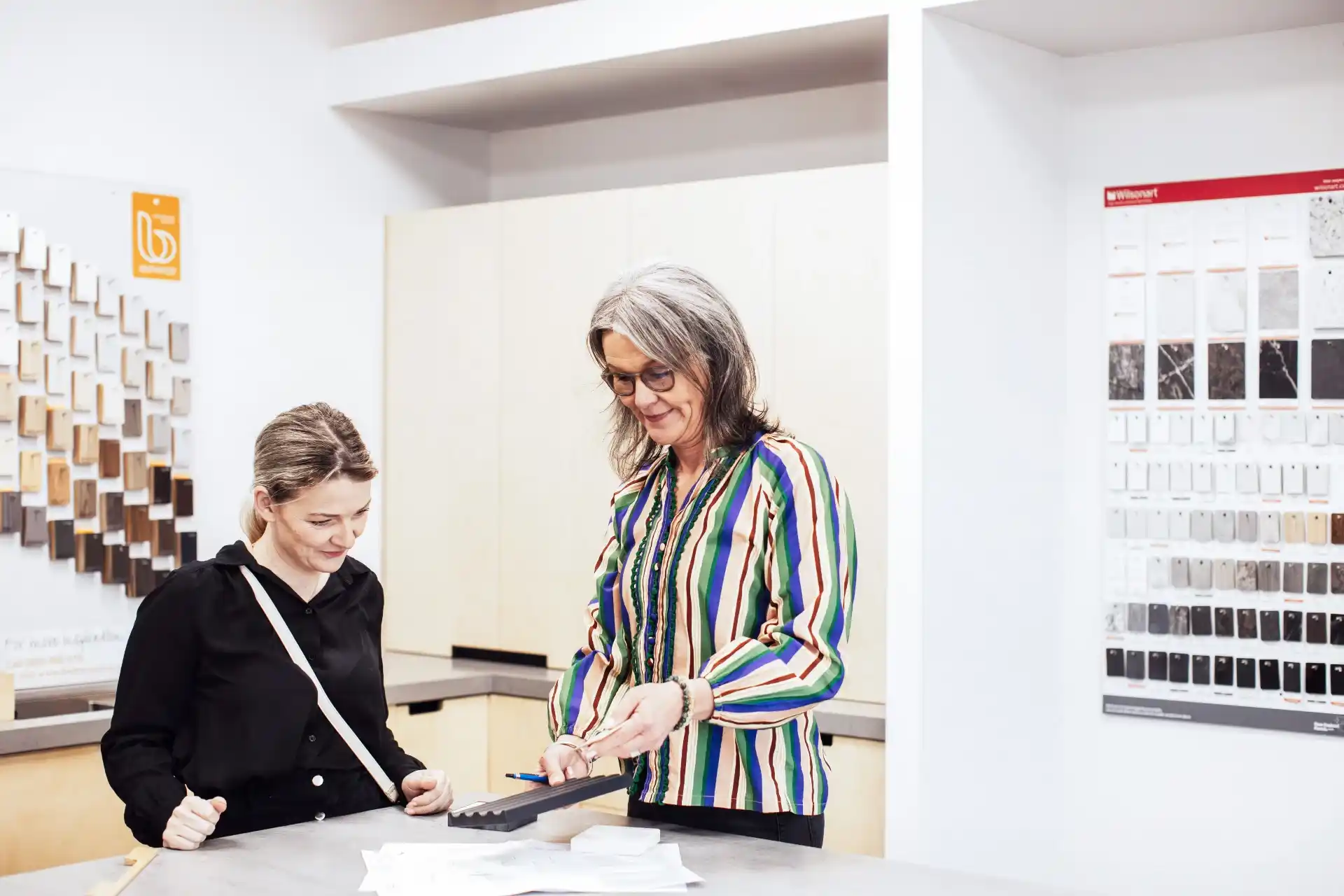
Every successful kitchen project begins with thorough planning and a comprehensive consultation with your kitchen designer. This crucial first step establishes the foundation for everything that follows, ensuring your vision aligns with practical realities and your budget supports your aspirations.
During your initial consultation, experienced designers take time to understand how you actually use your kitchen. Do you entertain frequently? Are multiple family members cooking simultaneously? Do you need space for children to do homework whilst you’re preparing meals? These lifestyle questions directly influence design decisions, from the size of your preparation areas to whether an island makes sense in your layout.
Your existing space requires careful assessment. Professional designers measure accurately, noting the position of windows, doors, existing plumbing and electrical services, and any structural elements that might influence the design. In Wellington homes, this often includes considerations like ceiling heights in older properties, the position of load-bearing walls, and how natural light enters the space throughout the day.
Budget discussions happen early and honestly. Quality kitchen designers work within your financial parameters from the outset, helping you understand where investment provides the greatest return and where more economical choices serve you perfectly well. At Chatswood Kitchens, transparent pricing means you know exactly what’s included in your quote, with no hidden costs emerging later in the project.
This planning phase also addresses practical considerations like whether building consent will be required. If you’re moving significant plumbing or electrical services, altering your home’s exterior envelope, or removing load-bearing walls, you’ll need consent from your local council. Experienced designers understand these requirements and can guide you through the process, ensuring compliance with all relevant Building Code clauses.
The outcome of this first step is a clear understanding of what’s possible within your space and budget, a preliminary design direction, and confidence that you’re working with professionals who genuinely understand your needs. This foundation makes the subsequent steps far more straightforward and enjoyable.
Step 2: Creating Your Kitchen Layout and Workflow Design
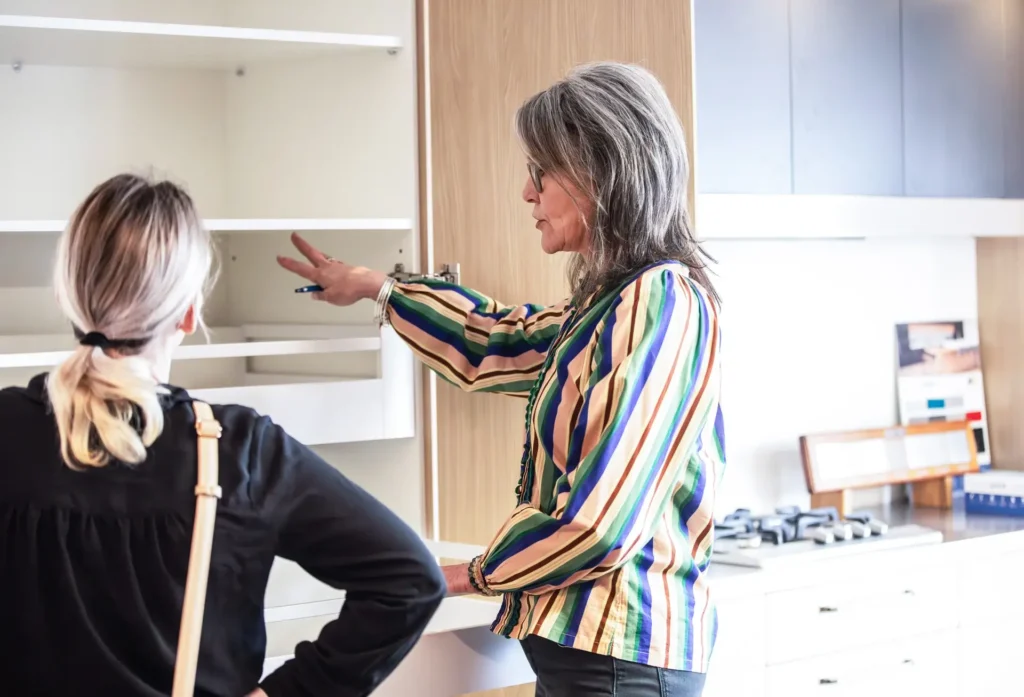
Once planning is complete, the focus shifts to arguably the most important aspect of kitchen design: creating a layout that makes your kitchen genuinely efficient and pleasurable to work in. This step involves both established design principles and customisation for your specific needs and cooking style.
The kitchen work triangle remains a fundamental consideration in layout design. This concept, which positions your sink, cooktop, and refrigerator in a triangular arrangement, aims to minimise unnecessary movement during meal preparation. Ideally, each leg of the triangle measures between four and nine feet, with the total perimeter falling between 13 and 26 feet. This arrangement ensures the three most-used areas are conveniently close without feeling cramped.
However, modern kitchen design recognises that the traditional work triangle, developed in the 1940s for single-cook kitchens, needs adaptation for contemporary life. Many Wellington families have multiple people working in the kitchen simultaneously, and modern kitchens serve purposes beyond just cooking—they’re homework stations, social hubs, and sometimes home offices.
The zone-based approach builds upon the work triangle concept by dividing your kitchen into functional areas: preparation zone, cooking zone, cleaning zone, storage zone, and consumables storage. Each zone contains everything needed for its specific tasks. For example, your preparation zone includes cutting boards, knives, mixing bowls, and adequate counter space, all positioned near your sink for convenient access to water during food prep.
Layout choices depend significantly on your available space and the shape of your kitchen area. L-shaped kitchens work beautifully in many Wellington homes, providing two connected work surfaces that naturally accommodate a work triangle whilst leaving floor space open. U-shaped layouts offer extensive bench space and storage, ideal for keen cooks who need room for serious meal preparation. Galley kitchens, with two parallel countertops, create highly efficient work corridors particularly suited to narrower spaces.
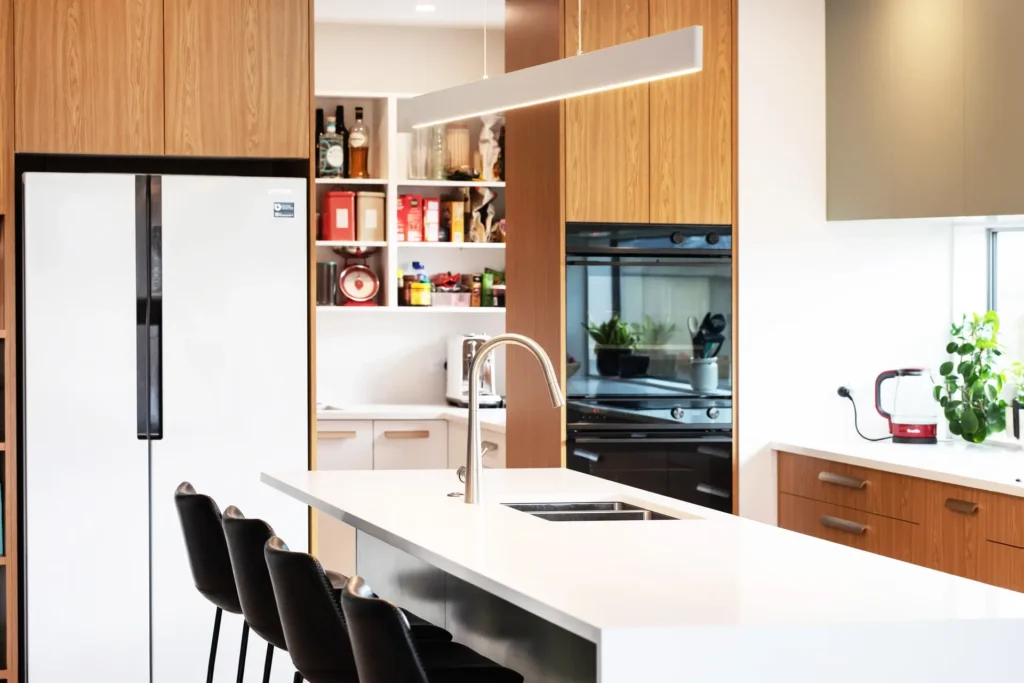
Islands have become increasingly popular in Wellington kitchen design, and for good reason. A well-positioned island provides additional preparation space, can incorporate seating for casual dining, and often houses either the sink or cooktop, becoming an integral part of your work triangle. However, islands require adequate space—you need at least 1000-1200mm clearance on all working sides to allow comfortable movement and prevent the island from obstructing workflow.
Your designer creates detailed plans showing exactly where each element will be positioned, ensuring clearances are adequate, work surfaces are continuous where beneficial, and the overall flow makes intuitive sense. This is also when decisions about appliance placement happen—positioning your dishwasher near the sink makes loading easier, whilst locating your rubbish and recycling bins near your preparation area streamlines food prep cleanup.
Natural light and ventilation influence layout decisions too. Wellington’s climate means proper ventilation is essential to manage cooking moisture and prevent humidity issues. Positioning your cooktop under or near a window isn’t always practical from a ventilation perspective, so your designer helps you balance natural light benefits with the technical requirements of effective extraction.
The outcome of this step is a detailed layout plan that optimises your kitchen’s efficiency, suits your cooking style, and ensures everyone in your household can use the space comfortably. This foundation makes the subsequent material selection process both easier and more enjoyable, as you’re choosing finishes for a layout you’re confident will work brilliantly.
Step 3: Selecting Materials, Finishes, and Fixtures

With your layout finalised, attention turns to the exciting process of selecting the materials and finishes that will define your kitchen’s character. These choices dramatically affect both the aesthetic appeal and the practical performance of your finished kitchen, so it’s worth taking time to consider options carefully.
Cabinetry represents the largest visual element in most kitchens and significantly influences the overall design direction. Contemporary Wellington kitchens increasingly favour natural timber finishes that bring warmth and character to the space. Options range from lighter timbers like oak and ash to deeper tones in walnut or stained finishes. Two-tone cabinetry, with different colours for upper and lower cabinets or featuring a contrasting island, adds visual interest whilst maintaining cohesion.
The quality of your cabinetry construction matters enormously to longevity. Locally manufactured cabinets, like those produced by Chatswood Kitchens, offer superior quality control and the ability to customise details to your exact requirements. Construction methods, materials used for cabinet boxes, drawer systems, and hinge quality all influence how well your kitchen performs over time. Soft-close mechanisms, for example, protect cabinet contents from jarring impacts whilst reducing kitchen noise significantly.
Benchtop selection balances aesthetic preferences with practical requirements. Natural stone options, including granite and marble, offer timeless beauty and exceptional durability. Each slab is unique, ensuring your kitchen has individual character. Recent developments in zero-silica engineered stone provide consistency in appearance alongside practical benefits like superior stain resistance and reduced maintenance requirements compared to some natural stones.
Laminate benchtops have evolved considerably and now offer sophisticated finishes at accessible price points. Modern laminates can convincingly replicate stone, concrete, or timber appearances whilst providing easy maintenance and good durability for family kitchens. Solid surface materials offer seamless joints and can be repaired if damaged, making them worth considering for busy households.
Splashback choices range from classic tiles to contemporary glass panels or even extending your benchtop material up the wall for a seamless look. Tiles offer enormous variety in colour, pattern, and texture, allowing you to create visual interest or introduce accent colours. Subway tiles remain popular in Wellington for good reason—they’re timeless, versatile, and work across design styles from traditional to contemporary. Glass splashbacks provide easy cleaning and can be colour-matched to your exact specifications, creating a sleek, modern appearance.
Hardware might seem like a minor detail, but handles and knobs significantly influence both the functionality and the visual cohesion of your kitchen. Current trends favour simple, streamlined profiles in matte black, brushed brass, or satin nickel finishes. Some contemporary designs eliminate visible handles entirely, using push-to-open mechanisms or integrated handle channels cut into cabinet doors.
Fixtures and appliances require careful selection for both performance and aesthetic integration. Your sink choice affects daily convenience—undermount sinks create seamless benchtops that are easier to clean, whilst the material (stainless steel, granite composite, or ceramic) influences maintenance requirements and visual style. Tap selection goes beyond appearance to consider functionality—pull-out spray heads make cleaning easier, whilst adequate spout height accommodates large pots.
Appliance selection considers both functionality and how well they integrate with your design. Built-in appliances create streamlined appearances, though quality freestanding pieces can become statement features in the right design context. Energy efficiency matters both environmentally and economically—appliances with high energy star ratings reduce your power consumption significantly over their lifetime.
Lighting deserves serious consideration during material selection. Task lighting ensures work areas are properly illuminated for safe food preparation. Under-cabinet lights eliminate shadows on benchtops, whilst pendant lights over islands provide both functional light and design interest. Ambient lighting creates atmosphere, particularly important if your kitchen doubles as an entertaining space.
Colour schemes for Wellington kitchens increasingly embrace warm, natural tones that create inviting spaces. Soft greens, terracotta accents, and warm neutrals work beautifully with natural timber and stone, creating kitchens that feel connected to our natural environment. These colours age gracefully, avoiding the dated appearance that very trend-driven colour choices sometimes develop.
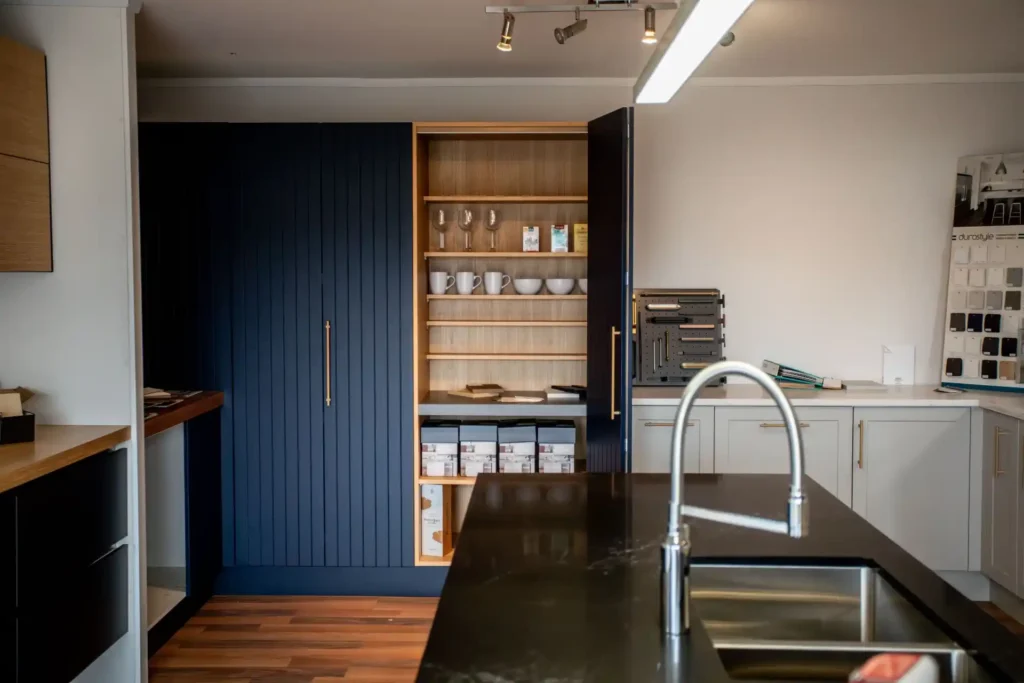
The material selection process benefits enormously from seeing and touching actual samples. Visiting showrooms like Chatswood Kitchens’ Paraparaumu location at 46 Te Roto Drive allows you to experience how different materials look together, how cabinet doors feel when you open them, and how various benchtop surfaces respond to light. Digital renders are helpful, but nothing replaces the experience of seeing physical samples.
Throughout this step, your designer helps you ensure all selected materials work cohesively whilst fitting within your budget. The outcome is a comprehensive specification of every material and finish going into your kitchen, providing absolute clarity before manufacturing begins.
Step 4: Finalising Details and Preparing for Installation
The final step before installation involves confirming every detail, ensuring all elements are coordinated, and preparing your home for the transformation ahead. This attention to detail prevents surprises and ensures your kitchen installation proceeds smoothly.
Your designer prepares final technical drawings showing exact dimensions, positions of all services (plumbing, electrical, and gas if applicable), and detailed specifications for every element. These drawings guide both the manufacturing of your custom cabinetry and the installation process. In Wellington, where many homes have unique quirks or existing conditions that need accommodation, these detailed drawings become invaluable reference documents.
This is the stage where final measurements are absolutely critical. Experienced kitchen companies conduct a final site measure before manufacturing begins, verifying every dimension and checking for any changes since initial measurements. This might seem overly cautious, but it prevents costly errors that could occur if manufacturing proceeds based on preliminary measurements that don’t account for any modifications made during the planning phase.
Appliance ordering and delivery coordination happens during this step. Your kitchen designer works with appliance suppliers to ensure everything arrives when needed, avoiding situations where your beautiful new kitchen sits incomplete whilst you wait for a particular appliance. This coordination extends to ensuring appliances will physically fit through doorways and into their designated spaces—it’s surprisingly easy to select a large fridge that won’t actually fit through your front door without disassembly.
Building consent, if required, should be obtained before installation begins. Your designer helps ensure all documentation is prepared correctly and submitted to your local council. The consent process can take several weeks, so starting early prevents delays to your installation schedule. Even when consent isn’t required, good builders confirm that all work complies with relevant Building Code clauses, particularly regarding ventilation, electrical installations, and plumbing.
Preparation for installation involves practical considerations. If you’re living in your home during the renovation, you need a temporary kitchen setup—typically a microwave, kettle, and access to a sink, even if it’s in your laundry or bathroom. Some families choose to stay elsewhere during major renovations, but many find they can manage perfectly well with a temporary setup for the 1-2 weeks most installations require.
Protecting your home during installation matters. Good installation teams use dust screens to contain mess, protect your floors with appropriate coverings, and treat your property with respect. They’ll discuss access requirements, parking needs for their vehicles, and the daily schedule so you know what to expect each day.
If your renovation involves removing an existing kitchen, disposal needs coordination. Some companies include removal and disposal in their quote, whilst others price it separately. Clarifying this during the quoting phase prevents misunderstandings. Some homeowners sell usable elements from their old kitchen, recouping a small amount whilst keeping serviceable cabinets or appliances out of landfill.
The installation sequence typically begins with any required structural work, followed by updated plumbing and electrical services. Flooring often goes in next (though this depends on the type—tiles typically install before cabinetry, whilst some other floor types install after). Cabinets are then installed and levelled, followed by benchtops, then appliances, and finally fixtures and fittings. Your designer coordinates all required tradespeople, ensuring each arrives at the appropriate time and that work proceeds logically.
Quality installation companies conduct a thorough final inspection once work is complete, checking that every drawer operates smoothly, all cabinet doors align properly, appliances function correctly, and any minor touch-ups are completed. This attention to detail ensures you receive a finished kitchen that meets the high standards promised during the design phase.
The final walkthrough with your designer gives you the opportunity to understand how everything works, particularly any features that might not be immediately obvious—like how to adjust cabinet hinges if doors settle slightly, or how to care for your particular benchtop material. Good companies provide documentation on care and maintenance for all materials in your kitchen, helping you keep everything looking beautiful.
At this point, your kitchen journey reaches its culmination. All the planning, decision-making, and coordination result in a completed kitchen ready for you to use and enjoy. The transformation from your old, possibly cramped or outdated kitchen to a beautifully functional new space makes the entire process worthwhile.
Wellington-Specific Considerations for Kitchen Design
Designing a kitchen in Wellington presents unique considerations that experienced local designers understand instinctively. Our region’s distinctive characteristics—from architectural styles to climate patterns—influence optimal design choices in ways that might not be immediately apparent.
Wellington’s architecture spans a remarkable range, from Victorian-era villas with high ceilings and large sash windows to mid-century character homes, through to contemporary new builds with open-plan living. Each architectural style suggests different kitchen design approaches. Period homes often benefit from designs that respect the home’s character whilst introducing modern functionality. This might mean selecting cabinetry styles that echo period details, or carefully positioning modern elements to complement rather than clash with existing features.
Our coastal climate, with its humidity and salt-laden winds particularly around the Kapiti Coast and Wellington’s south coast, requires consideration in material selection. Finishes and fixtures need to withstand these conditions without deteriorating. Quality hardware with appropriate coatings resists corrosion, whilst proper ventilation systems manage the moisture that’s particularly prevalent in coastal environments.
Wellington’s notable wind and occasional seismic activity don’t directly influence kitchen design significantly, but they do underscore the importance of proper installation. Cabinets must be securely fixed to walls, particularly upper cabinets where falling during a significant earthquake could cause injury. Quality installation companies understand these local considerations and ensure fixings are appropriate for Wellington conditions.
The lifestyle prevalent across Wellington and the Kapiti Coast influences design preferences. Many families here value indoor-outdoor flow, which affects how kitchens relate to outdoor entertaining areas. Large stacking or bifold doors connecting kitchen areas to decks or patios are increasingly popular, requiring careful consideration of transitions and how the kitchen functions when opened to outdoor spaces.
Wellington’s strong café culture and appreciation for quality food preparation means many residents are serious home cooks who value professional-standard appliances and generous preparation areas. This differs from some regions where kitchens are used less intensively. Understanding these local preferences helps designers create spaces that genuinely suit how Wellington families live.
The Value of Complete Project Management

One of the most significant decisions when embarking on kitchen design is whether to work with a company that provides complete project management or to coordinate different elements yourself. The difference in experience between these approaches is substantial, particularly for a project as complex as a kitchen renovation.
Complete project management means you have a single point of contact throughout your entire kitchen journey. Your designer understands your vision because they’ve been involved from the initial consultation. They coordinate all tradespeople—from plumbers and electricians through to tilers and painters—ensuring everyone arrives at the appropriate time and that work proceeds in the correct sequence. When questions arise, you know exactly who to contact.
The alternative—managing different contractors yourself—might initially seem more economical, but hidden costs often emerge. Coordinating schedules becomes your responsibility, and delays in one area cascade through the entire project. When problems arise (and they sometimes do in renovation work), determining who’s responsible and who should rectify the issue becomes complicated when multiple companies are involved, each potentially pointing to someone else’s work as the source of the problem.
Chatswood Kitchens provides comprehensive project management, handling every aspect from initial design through manufacturing and installation. This integrated approach means your kitchen is designed by people who understand precisely how it will be manufactured and installed, ensuring designs are not just beautiful but genuinely buildable. The installation team understands the designer’s intentions because they’re all part of the same organisation.
One quote covering everything—design, materials, manufacturing, and installation—provides financial clarity from the outset. You understand your total investment before committing, without facing additional invoices as work progresses. This transparency makes budgeting straightforward and removes the financial uncertainty that sometimes plagues renovation projects managed across multiple contractors.
The peace of mind this comprehensive approach provides shouldn’t be underestimated. Kitchen renovation represents a significant investment of both money and emotional energy. Knowing experienced professionals are handling every detail, coordinating all aspects, and taking responsibility for the entire outcome allows you to look forward to your new kitchen rather than worrying about all the things that could potentially go wrong.
Conclusion
Designing your dream kitchen in Wellington doesn’t need to be overwhelming when you understand the clear steps involved and work with experienced professionals who’ve guided hundreds of families through this same journey. The four steps—planning and consultation, creating your layout, selecting materials and finishes, and finalising details—provide a logical pathway from initial concept to completed kitchen.
Each step builds upon the previous one, with early decisions about layout influencing subsequent material choices, and careful attention to detail in the final stage ensuring smooth installation. Throughout this process, the expertise of your kitchen designer makes an enormous difference to both the ease of the journey and the quality of the outcome.
Wellington’s unique character, from our diverse architectural heritage to our distinctive coastal climate, means working with local designers who understand these considerations produces better results than generic approaches imported from elsewhere. The lifestyle prevalent across the region—the value placed on entertaining, quality food preparation, and indoor-outdoor flow—shapes design decisions in ways that create kitchens genuinely suited to how we live.
Your kitchen represents one of the most significant investments you’ll make in your home. It’s also one of the most impactful, affecting your daily life in tangible ways whilst adding considerable value to your property. Taking time to get the design right, working with experienced professionals, and making thoughtful decisions at each step ensures you create a kitchen that serves your family beautifully for decades to come.
If you’re ready to begin your kitchen design journey, the first step is simple. Contact Chatswood Kitchens on 04 902 9292 to arrange your free design consultation. With over 40 years of experience creating exceptional kitchens for Wellington and Kapiti Coast families, they’re ready to guide you through every step of the process, from initial concept through to the day you prepare your first meal in your beautiful new kitchen.

Why Choose Chatswood Kitchens
When you’re investing in a new kitchen, the company you choose to work with profoundly affects both your experience during the project and your satisfaction with the finished result. Chatswood Kitchens has been the trusted choice for Wellington region families since 1982, and this longevity reflects a consistent commitment to quality, service, and genuine care for client outcomes.
Over four decades in the kitchen design and manufacturing industry means Chatswood Kitchens has navigated every challenge that Wellington homes can present. From adapting designs to suit character villas with unique spatial constraints to creating contemporary kitchens in new builds, this breadth of experience ensures your project benefits from accumulated wisdom that only comes from thousands of successful installations.
Owner and operator Gareth Williams’ personal involvement in the business means you’re working with someone who genuinely cares about your satisfaction. This isn’t a corporate operation where you’re passed between departments—it’s a business built on reputation and relationships, where your referral to friends and family matters more than any advertising campaign.
The commitment to New Zealand manufacturing sets Chatswood Kitchens apart from companies relying on imported, mass-produced cabinetry. Every kitchen is designed and built locally, allowing customisation to your exact requirements and ensuring quality control throughout the process. This local manufacturing also means support continues long after installation—if you need adjustments, additional elements, or simply advice years down the track, you’re dealing with a company that’s here, accessible, and committed to their work.
The complete service offering—from initial consultation through design, manufacturing, and installation—provides the peace of mind that comes from working with one accountable company throughout your entire kitchen journey. Transparent pricing with no hidden costs means you understand your total investment from the outset, allowing you to proceed with confidence.
Based at 46 Te Roto Drive in Paraparaumu, the showroom allows you to see quality craftsmanship firsthand, touch materials, and get a genuine feel for the standard of work you can expect. This tangible experience beats online browsing, allowing you to make material and finish decisions with confidence.
Whether you’re after contemporary design, classic elegance, or something uniquely your own, Chatswood Kitchens works within your budget to create solutions that exceed expectations. Free design consultations mean you can explore possibilities without obligation, understanding exactly what’s achievable before committing to proceed.
To begin your kitchen design journey with Wellington’s most experienced kitchen designers, call 04 902 9292 today. Your dream kitchen is just four clear steps away.

Frequently Asked Questions
How long does the kitchen design process typically take from consultation to installation?
The complete kitchen design process, from your initial consultation through to final installation, typically spans 8 to 12 weeks, though this varies based on project complexity and current workload. The design and planning phase usually takes 2-3 weeks, allowing time for layout refinement, material selection, and any required building consent applications. Manufacturing your custom cabinetry typically requires 4-6 weeks, ensuring every element is crafted to exact specifications. Installation itself usually takes 1-2 weeks, depending on whether significant structural or service modifications are required. At Chatswood Kitchens, you’ll receive a realistic timeline during your initial consultation, allowing you to plan accordingly. Whilst it might be tempting to rush the process, taking adequate time for each step ensures you make thoughtful decisions and receive a finished kitchen that exceeds expectations rather than simply meeting a rushed deadline.
What’s included in a free design consultation with Chatswood Kitchens?
Your free design consultation provides a comprehensive foundation for your kitchen project without any obligation to proceed. During this session, typically lasting 60-90 minutes, Chatswood Kitchens will visit your home to see your existing space, take accurate measurements, and discuss your vision for your new kitchen. They’ll ask about how you use your kitchen, what frustrates you about your current setup, and what features are most important to you. You’ll receive practical advice about layout options that could work within your space, honest guidance about what’s achievable within different budget ranges, and preliminary ideas about how to maximise functionality. This consultation is genuinely free—there’s no obligation to proceed, and you’ll come away with valuable insights about your options even if you decide not to continue. Many clients find this initial conversation helps crystallise their thinking about what they really want from their new kitchen. To book your free consultation, simply call 04 902 9292 and arrange a time that suits your schedule.
Do I need building consent for my kitchen renovation in Wellington?
Whether building consent is required depends on the scope of your renovation work. Generally, you’ll need consent if you’re moving significant plumbing or electrical services beyond simple replacement, altering your home’s exterior (including moving or installing new windows or doors), removing or modifying load-bearing walls, or making structural changes. Standard kitchen renovations that replace existing cabinetry, benchtops, and appliances without moving services or altering structure typically don’t require consent, though they must still comply with relevant Building Code requirements. Experienced kitchen designers like Chatswood Kitchens understand these requirements and can advise whether your specific project needs consent. If consent is required, they can coordinate the documentation and submission process, working with appropriate professionals to ensure all requirements are met. The consent process typically takes 3-4 weeks once submitted to council, so factoring this into your project timeline is important. Proceeding without required consent can create significant problems when you later sell your property, so it’s always worth confirming requirements early in your planning process.
How does the kitchen work triangle apply to different kitchen layouts?
The kitchen work triangle adapts to various kitchen layouts whilst maintaining its core principle of minimising unnecessary movement between your sink, cooktop, and refrigerator. In L-shaped kitchens, the triangle typically forms along the angle of the L, with the sink often positioned in the corner and the cooktop and refrigerator on the two adjoining walls. U-shaped kitchens naturally accommodate the work triangle, with each point positioned on one leg of the U, creating an efficient enclosed workspace. Galley kitchens place two points on one wall and the third opposite, forming a compact triangle across the walkway. When islands are incorporated, they often become one point of the triangle—frequently housing either the sink or cooktop—which can create particularly efficient workflows. Single-wall kitchens don’t form a true triangle but can still achieve efficiency through careful spacing of the three key elements. Modern kitchen design increasingly considers work zones alongside the traditional triangle, recognising that today’s kitchens serve multiple purposes and often accommodate multiple cooks. Experienced designers balance these concepts, creating layouts that work brilliantly for your specific space and how your family actually uses the kitchen.
What makes locally manufactured kitchens better than imported options?
Locally manufactured kitchens offer several significant advantages over imported alternatives, particularly for New Zealand homes. Quality control is inherently superior when manufacturing happens nearby—you can visit the workshop, see how your cabinets are being built, and address any concerns immediately. Customisation becomes genuinely feasible rather than selecting from limited standard sizes and configurations. If your Wellington home has unique spatial quirks (as many do), local manufacturers can accommodate these without the constraints of pre-determined dimensions. Materials can be selected specifically for New Zealand conditions, including our coastal climate, rather than being chosen to suit conditions in the country of manufacture. Installation teams understand exactly how the cabinets were built because they’re part of the same organisation, leading to better installation quality and easier problem-solving if adjustments are needed. Lead times are typically shorter than waiting for overseas manufacture and shipping. Environmental impact is reduced through shorter transportation distances and supporting local employment. Perhaps most importantly, ongoing support remains available—if you need modifications, additional elements, or advice years after installation, you’re dealing with a local company that’s accountable and accessible. Companies like Chatswood Kitchens have been operating in the Wellington region for over four decades precisely because the quality of locally manufactured kitchens and the ongoing relationship with clients matters more than the apparent short-term savings that imported options sometimes promise.